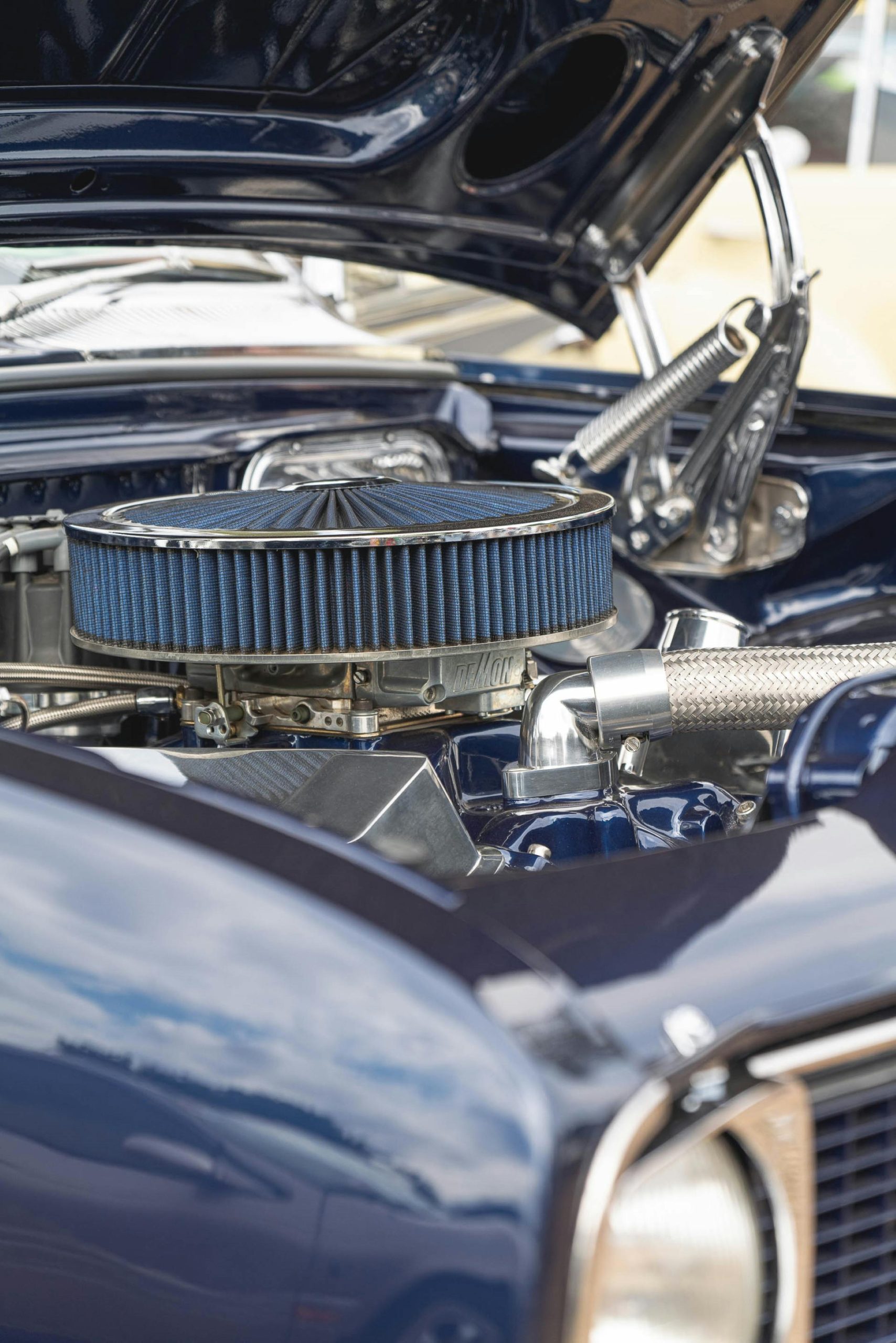

Spark plugs are a vital component in your car’s engine. They ignite the air-fuel mixture, powering your vehicle and ensuring that it runs smoothly. But when spark plugs go bad, they can cause a range of issues that affect your engine’s performance.
One of the most common symptoms of bad spark plugs is a misfire, which can lead to a number of problems if not addressed.
But what exactly happens when spark plugs go bad and cause misfires? Let’s explore.
What Are Spark Plugs?
Spark plugs are small but crucial parts of your car’s ignition system. They are responsible for igniting the air-fuel mixture in the engine’s cylinders. The spark plug creates a small electrical spark, which ignites the mixture and causes the engine to run. Without spark plugs, your car would not start or run properly.
The Role of Spark Plugs in Your Engine
Each cylinder in your engine has a spark plug that works to fire up the combustion process. As the spark plug sparks, it creates a spark that ignites the air-fuel mixture. This combustion process produces the energy needed to power your vehicle.
Over time, spark plugs can wear out. When this happens, they can’t create the strong spark needed to ignite the air-fuel mixture properly. This can lead to problems such as misfires, poor fuel efficiency, and engine damage if left unresolved.
What is a Misfire?
A misfire occurs when the spark plug fails to ignite the air-fuel mixture properly. When this happens, the engine will “skip” a power stroke in one or more cylinders, leading to rough running, poor acceleration, and a noticeable decrease in engine performance.
Misfires can also cause a range of other issues, including:
- Unstable idle: When the engine is idling, you may notice that the RPMs fluctuate or the car shakes.
- Reduced power: A misfire can cause a lack of acceleration and slower engine response.
- Increased fuel consumption: If a spark plug is bad, the engine has to work harder to perform, which leads to worse fuel economy.
- Check engine light: A misfire often triggers the check engine light to come on, indicating a problem with the engine’s performance.
Common Symptoms of Spark Plug Misfires
When spark plugs are worn or damaged, they can cause your car’s engine to misfire. Some common symptoms of spark plug misfires include:
- Rough engine idle: If the engine feels rough or shaky at idle, this could indicate a misfire.
- Engine sputtering: You may notice that the engine sputters or hesitates during acceleration, making the car feel sluggish.
- Poor acceleration: A misfire can lead to poor acceleration, meaning the car won’t speed up as easily as it should.
- Backfiring: A spark plug misfire can cause fuel to build up in the combustion chamber and ignite suddenly, leading to backfires.
Why Do Spark Plugs Go Bad?
There are several reasons why spark plugs may go bad, including:
- Normal wear and tear: Over time, spark plugs wear out and lose their ability to create a strong spark. Most spark plugs need to be replaced every 30,000 to 100,000 miles, depending on the type.
- Carbon buildup: If your engine isn’t running as cleanly as it should, carbon deposits can build up on the spark plugs. This can affect their ability to fire properly and lead to misfires.
- Faulty ignition system: Issues with the ignition system, such as a weak ignition coil, can prevent the spark plug from receiving the proper power to create a spark.
- Engine oil leaks: Oil can leak onto the spark plugs, causing them to become fouled and unable to spark properly. This often occurs due to worn valve seals or other engine components.
- Overheating: If the engine runs too hot, it can cause the spark plugs to overheat, causing damage and misfires.
What Happens If You Don’t Replace Bad Spark Plugs?
If you don’t replace bad spark plugs on time, several things can happen:
- Decreased fuel efficiency: When the spark plugs aren’t working properly, the engine has to work harder to run. This leads to more fuel being consumed, which decreases your car’s fuel efficiency.
- Damaged engine components: Persistent misfires can cause damage to other engine parts, such as the catalytic converter. Misfires can lead to unburned fuel entering the exhaust system, which can overheat and damage the catalytic converter, a costly repair.
- Poor engine performance: Driving with bad spark plugs can result in a noticeable drop in performance, including sluggish acceleration, poor idling, and rough running. In extreme cases, the engine may not start at all.
How to Prevent Spark Plug Misfires
To avoid spark plug misfires, it’s essential to take care of your car’s ignition system. Here are a few steps to keep your spark plugs in good condition:
- Regular maintenance: Follow your car’s recommended maintenance schedule and replace spark plugs at the intervals suggested by the manufacturer.
- Use the right spark plugs: Make sure that the spark plugs you use are compatible with your car’s engine. Using the wrong spark plugs can lead to poor performance and misfires.
- Check the ignition system: Regularly inspect the ignition system for signs of wear or damage. If you notice any issues with the ignition coils, wires, or other components, address them promptly.
- Clean your engine: Regularly clean your engine to prevent carbon buildup on the spark plugs.
Conclusion
Spark plugs play a critical role in the smooth operation of your engine. When they go bad and cause misfires, they can lead to a host of issues, including rough idling, poor acceleration, and reduced fuel efficiency. It’s essential to maintain your spark plugs and replace them when necessary to avoid damage to your engine and ensure optimal performance.
Regular maintenance and proper care of your spark plugs will help keep your car running smoothly for years to come.