You get out of your car after a drive and notice a strange smell. It is sweet, almost like pancake syrup or candy. Maybe the smell is coming through the air vents. Maybe you only notice it after parking.
A sweet smell is not something you should ignore.
If you are asking, why does my car smell sweet like syrup, a coolant leak is one of the first problems to check. Engine coolant has a distinct sweet odor, and even a small leak can make that smell noticeable.
The leak may be minor right now, but losing enough coolant can cause your engine to overheat. Finding the source early could save you from a much larger repair bill.
Why Does Coolant Smell Sweet?
Your car uses coolant to control engine temperature. It travels through the engine, radiator, hoses, and other parts of the cooling system.
Coolant is also commonly called antifreeze.
Many types of coolant contain ethylene glycol or propylene glycol. These chemicals can produce a sweet smell that is easy to notice when coolant escapes from the cooling system.
You normally should not smell coolant because the system is designed to stay sealed.
So, if your car suddenly smells like syrup, something deserves a closer look.
Where Could the Coolant Be Leaking?
A cooling system has several possible leak points. Some are easy to spot, while others can stay hidden for a while.
Common sources include:
- Radiator hoses
- Radiator
- Coolant reservoir
- Water pump
- Thermostat housing
- Hose connections
- Radiator or reservoir cap
- Heater core
Do not start replacing parts based only on the smell. First, try to find signs that point toward the actual source.
Sweet Smell Under the Hood
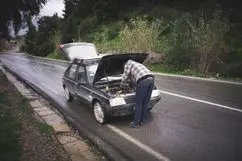
If the smell is strongest around the front of the car, open the hood after the engine has cooled down.
Look around the coolant reservoir, radiator area, and visible hoses.
You may find wet spots, drops of liquid, or dried residue around a hose connection. Coolant comes in several colors, including green, pink, orange, yellow, and blue.
A small leak does not always leave a puddle.
Coolant can drip onto a hot engine or exhaust component and quickly evaporate. In that case, the smell may be your first warning.
Never remove a radiator or pressurized coolant cap while the engine is hot. Hot coolant can spray out and cause serious burns.
Sweet Smell Coming Through the Vents
Things get more interesting when the smell is mainly inside the cabin.
Your heater core could be involved.
The heater core is a small part located behind the dashboard. Hot coolant passes through it, allowing your heating system to warm the air entering the cabin.
A leaking heater core can release coolant inside or near the passenger compartment.
You might also notice:
- Windows fogging more than usual
- A greasy film forming inside the windshield
- Damp carpet near the dashboard
- Coolant level slowly dropping
- Poor heater performance
- Sweet smell becoming stronger when the heater is running
These clues make a heater core leak worth investigating.
Check the Coolant Level
Wait until the engine is completely cold before checking the coolant reservoir.
Most reservoirs have MIN and MAX markings.
If the coolant sits below the minimum line, you may have a leak somewhere in the system.
Do not keep adding coolant every few days and assume everything is fine.
A healthy cooling system should not constantly lose coolant. Repeatedly topping it off treats the symptom rather than fixing the cause.
Also, use the coolant type recommended for your vehicle. Mixing incompatible coolant types can create additional cooling-system problems.
Watch Your Temperature Gauge
Your temperature gauge can tell you when a coolant leak is becoming dangerous.
If the gauge stays in its normal position, the engine may still have enough coolant to control its temperature.
That can change quickly if the leak gets worse.
Watch for:
- Temperature rising above normal
- Overheating warning light
- Steam coming from under the hood
- Heater suddenly blowing cold air
- Engine losing power
- Coolant warning message
If the engine begins overheating, find a safe place to stop and turn it off.
Driving an overheating car can damage the head gasket, cylinder head, and other expensive engine parts.
Could the Sweet Smell Be Something Else?
Coolant is the main suspect, but not every unusual smell proves you have a coolant leak.
Windshield washer fluid can sometimes have a noticeable odor. Cleaning products, spilled drinks, air fresheners, and even something stored in the cabin can also create sweet smells.
The difference is that a coolant problem often comes with other clues.
A falling coolant level, wet spots under the vehicle, dried residue, overheating, or a smell that gets stronger when the engine warms up makes a cooling-system leak much more likely.
Can You Drive With a Coolant Leak?
That depends on the size and location of the leak.
A tiny leak may not cause immediate overheating. That does not make it safe to ignore.
Coolant loss can become worse without much warning. A cracked hose or weak connection can turn a slow seep into a larger leak during a drive.
If the temperature rises, coolant is pouring out, or steam appears, stop driving.
Having the vehicle towed may cost far less than repairing an overheated engine.
How a Mechanic Can Find a Hidden Leak
Not every coolant leak is visible during a quick inspection.
A repair shop may perform a cooling-system pressure test. The system is placed under controlled pressure so leaks can become easier to locate.
A technician can also inspect the radiator, hoses, water pump, reservoir, thermostat housing, heater core, and related connections.
This is much better than replacing parts based on guesses.
Do Not Ignore That Syrup Smell
So, why does my car smell sweet like syrup?
In many cases, escaping engine coolant is the reason. The smell could come from a leaking hose, radiator, water pump, reservoir, heater core, or another part of the cooling system.
Check the coolant level when the engine is cold, look for visible leaks, and keep an eye on the temperature gauge.
Most importantly, do not wait for the engine to overheat before taking action.
A faint sweet smell may seem harmless today. Finding a small coolant leak now can be much cheaper than dealing with major engine damage later.