
Did you know that over 50% of car electrical problems are due to a faulty alternator? When driving, it’s important to recognize the early signs of alternator failure to avoid getting stranded.
If your dashboard lights dimmed or you hear strange noises from under the hood, you might be dealing with a failing alternator. These symptoms can escalate quickly, affecting your vehicle’s overall performance and safety.
Watch for further warning signs and learn how to interpret them; it could save you from unexpected breakdowns and costly repairs. What else should you watch for? Let’s find out.
Battery Warning Light Activated
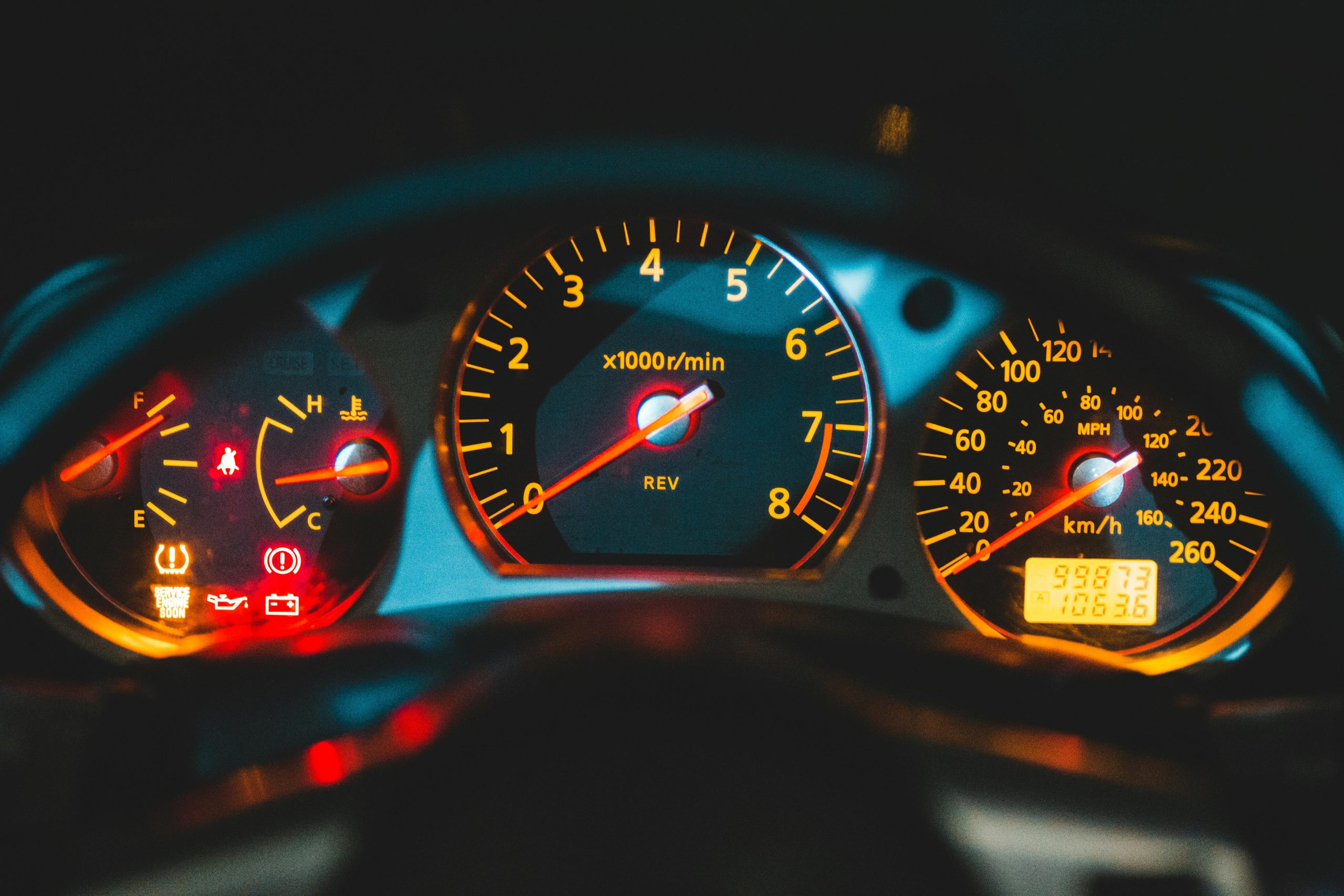
If your dashboard displays a battery-shaped, ALT, or GEN warning light, it likely signals an alternator issue. This dashboard indicator isn’t just an important alert; it’s a critical notification about your vehicle’s charging system.
When this light illuminates, it indicates that your alternator, vital for charging the battery and powering the electrical system, isn’t functioning within the normal alternator output range of 13-14.5 volts. This deviation can lead to severe electrical system issues and potential stalling.
Modern vehicles are equipped with a voltage output monitoring system. This system can detect when your alternator’s performance drops and might even trigger the check engine light. It’s crucial to take these warnings seriously.
Ignoring them can escalate into more complex issues, risking a breakdown when you least expect it. Always make sure your alternator is checked and, if necessary, replaced to maintain your vehicle’s health and peace of mind.
Dimming or Flickering Lights
Dimming or flickering vehicle lights often indicate that your alternator is struggling to deliver a steady power supply.
Voltage fluctuations are a common sign of alternator issues, as it fails to maintain a consistent power supply. This inconsistency can dim or flicker your lights, especially under additional electrical load.
Your vehicle’s lights are the most visible indicators of such voltage fluctuations. If these lights begin to vary in intensity—dimming during idling and brightening when you rev the engine—it’s a clear signal that your alternator may not be keeping up with the electrical load.
This is more than just an annoyance; it warns of potential breakdowns if not addressed promptly.
Electrical System Troubleshooting
When your lights start to flicker or dim, it’s often a sign that your alternator needs immediate attention to maintain a stable power output. This issue isn’t just an important indicator but a critical signal that your vehicle’s electrical system may be under strain.
Dimming lights, particularly the headlights or interior lights, point directly to an inconsistent voltage output from the alternator. This inconsistency can compromise your vehicle’s functionality and reliability.
Troubleshooting this problem involves a few key steps. First, check the voltage output at the alternator itself. A healthy alternator should typically output between 13.5 and 14.5 volts. If measurements fall below this range, it’s a clear sign that your alternator may be failing.
Also, observe the behavior of the lights; if they dim or flicker more when additional electrical load is applied—such as using the air conditioning or power windows—this further indicates that the alternator struggles to meet power demands.
Unexpected Battery Drain
If your car’s battery frequently drains unexpectedly, likely, your alternator isn’t charging it properly. This unexpected battery drain indicates that your alternator may be failing.
When the alternator isn’t functioning as it should, it fails to supply adequate charge to the battery, despite its role as the vehicle’s primary electrical power source during engine off periods.
You’ll want to pay close attention to the behavior of electrical components in your vehicle. If elements like the interior lights, radio, or headlights work intermittently or seem weaker than usual, this could signal battery drain due to a malfunctioning alternator. Monitoring these changes can be vital in diagnosing the issue early.
Sluggish or Faulty Accessories
Your car’s dimming interior lights and sluggish accessories often signal a failing alternator, which requires immediate attention to prevent further electrical issues.
When the alternator can’t keep up, essential electrical components don’t receive a stable power supply, which not only affects your driving experience but also signals potential vehicle failure.
Here’s what you need to watch for:
- Flickering or Dimming Lights
- Sluggish Electrical Accessories
- Battery Charge Warning Light
- Strange Noises
Slow Power Windows
Slow power windows often indicate that the alternator isn’t providing sufficient power to your vehicle’s electrical components. While seemingly minor, this symptom shouldn’t be overlooked as it points to broader issues with your alternator. When the alternator starts to fail, it struggles to maintain a consistent power output, leading to decreased power supply. This, in turn, affects not only your power windows, which may become sluggish or operate intermittently, but also other electrical components.
You might notice that your interior lights may begin dimming alongside the slow power windows or your accessories might seem less responsive. These are all interconnected issues stemming from the failing alternator. The alternator’s importance in effectively charging the battery can’t be overstated, as every electronic function in your vehicle relies on this critical component.
Inconsistent Dashboard Displays
Dashboard displays that behave erratically, such as flickering or dimming unexpectedly, often signal a failing alternator impacting your vehicle’s electrical system.
When you notice such issues, it’s important not to ignore them as they reflect deeper problems with your car’s ability to manage and distribute power effectively.
Here are some specific symptoms you might observe:
- Flickering Dashboard Lights
- Dimming Lights
- Sluggish Accessories
- Erratic Displays
Starting Issues and Engine Stalls
If your car frequently stalls or struggles to start, this may indicate that your alternator is failing to charge the battery sufficiently. Starting issues and engine stalls are clear signs that your vehicle’s electrical system isn’t receiving adequate power, a vital aspect requiring immediate attention.
When the alternator underperforms, it can’t fully charge the battery, leading to difficulty starting the engine and unexpected stalls during operation.
These symptoms shouldn’t be ignored, as they can escalate into more significant problems. A failing alternator can affect the performance of the starter motor, which relies on consistent electrical supply to operate your car smoothly. Address these problems promptly to prevent your car from becoming inoperable, potentially leaving you stranded.
Unusual Noises From Engine
When your engine emits unusual noises like growling or whining, it often indicates a problem with your alternator. These sounds aren’t just important; they’re a call to action to prevent further damage and potential complete alternator failure. Here’s what could be happening:
- Failing Bearings
- Worn-Out Brushes
- Alternator Pulley Issues
- Internal Problems
Burning Smell or Smoke
Noticing a burning smell or seeing smoke emanating from your alternator are signs of potential overheating or electrical malfunctions. This worrying signal shouldn’t be ignored, as it often points to critical issues such as a failing bearing, damaged wiring, or a malfunctioning component within the alternator. These problems can escalate quickly, risking further damage to your vehicle and potentially leading to unsafe driving conditions.
If you detect a burning smell or notice smoke, it’s imperative to act swiftly. The first step is to inspect the alternator for any obvious signs of wear or damage. Look for discolored or frayed wiring and any unusually worn or damaged components.
However, pinpointing the exact cause of the smell or smoke can be challenging without the right tools and expertise. Therefore, it’s advisable to consult a professional mechanic who can diagnose thoroughly and conduct necessary repairs. A seasoned technician will efficiently identify whether the issue is due to overheating, electrical issues, or other related problems.
Conclusion
Don’t let a failing alternator ruin your driving experience. Address these warning signs swiftly to keep your vehicle’s heart beating strong.
Ignoring flickering lights, mysterious noises, or smoke is like playing with fire—it can lead to more severe issues or leave you stranded. Stay vigilant, conduct regular checks, and make sure your journey remains smooth and safe. Remember, a stitch in time saves nine; early detection and repair can save you time and costly repairs.