If you’ve noticed a colorful puddle under your car, you might be seeing the first sign of a radiator leak. Whether it’s green, pink, or yellow, these hues generally point to coolant, which plays a key role in keeping your engine at the right temperature.
But spotting the leak is only the beginning. What you do next could determine whether your situation is a quick fix or a costly repair. Are you checking your coolant levels often enough?
Keep in mind that ignoring these signs could lead to more severe problems down the road. Let’s explore what each symptom might mean for your vehicle’s health.
Identifying Visible Leaks
If you notice bright green, pink, orange, blue, or yellow puddles beneath your car, you likely have a radiator coolant leak. These vibrant colors are telltale signs that your cooling system might be compromised.
Another indicator of a coolant leak is the need to constantly top off your radiator fluid. If you frequently add coolant, it’s a sign that there’s a breach somewhere in the system.
Keep an eye on this, as it can lead to more significant issues if not addressed promptly.
When your car is running, you should also look for steam or bubbles emanating from the radiator area. This is often a clear sign that coolant is escaping from its designated pathways within the cooling system.
Additionally, check the condition of your radiator hoses. Over time, these hoses can become brittle and crack, leading to leaks.
Regular inspection can catch these problems early, preventing a minor issue from becoming a major headache.
Checking Coolant Levels
Why should you regularly check your coolant levels? Ensuring your coolant level stays between the set marks on the reservoir is essential for your vehicle’s health and efficiency.
Regular monitoring can prevent serious engine problems and keep you connected with your car’s needs, fostering a sense of responsibility and care.
Here’s what you need to know about maintaining the right coolant level:
- Check Levels Regularly: Regular maintenance includes checking the coolant level in the reservoir. It’s best done when the engine is cold to avoid any injuries from hot liquid or steam.
- Look for Drops in Levels: A sudden drop in the coolant level could indicate a potential leak in the radiator system. Monitoring this can help you catch issues early.
- Frequency of Adding Coolant: If you’re frequently adding coolant, it’s a likely sign that there’s a leak somewhere in your cooling system.
- Safety First: Always use a rag or wear gloves when opening the radiator cap to protect yourself from hot splashes.
Monitoring Engine Temperature
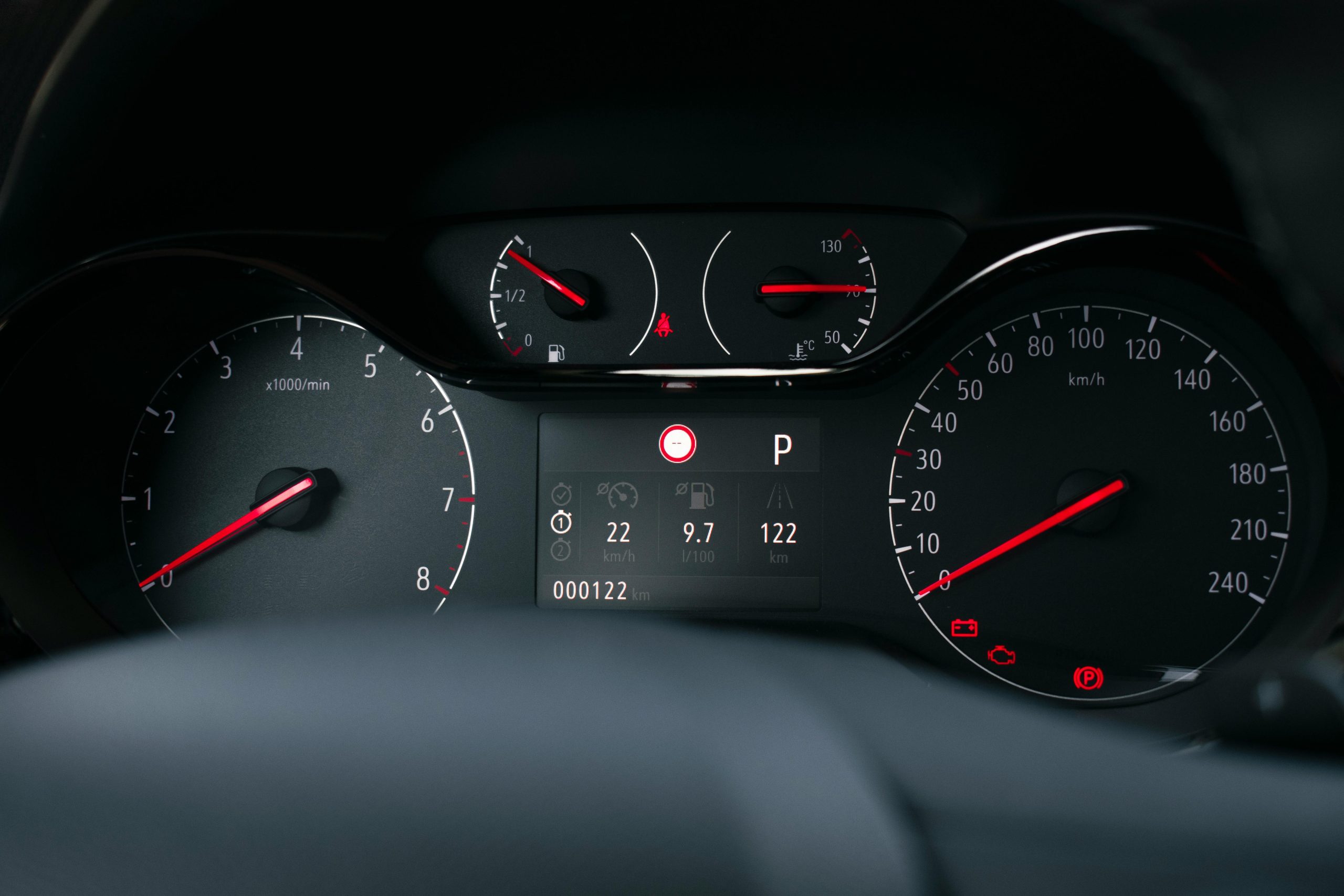
After monitoring your coolant levels, it’s equally important to monitor your engine temperature to spot any signs of a radiator leak. This gauge acts as your first line of defense against engine overheating, which can be a symptom of a coolant leak.
When you notice the engine temperature gauge indicating a rising temperature, it’s a clear signal that your engine may be experiencing a radiator leak. This isn’t just a minor issue but a potential threat to your engine’s health.
Monitoring engine temperature allows you to catch these changes early on, preventing the severe engine damage from unchecked leaks.
Moreover, be vigilant for the temperature warning light on your dashboard. If this light illuminates, it’s a direct call to action to address the issue without delay. Responding promptly to such warnings helps maintain the integrity of your engine and ensures you remain part of a community that takes pride in effective vehicle maintenance.
Inspecting Hoses and Parts
Inspecting radiator hoses regularly for any signs of wear such as cracks, leaks, or bulges is essential, as these are common indicators of potential radiator issues.
As part of your routine maintenance, it’s vital to keep an eye on these components to prevent a faulty radiator from causing further damage to your car.
When inspecting hoses and parts, here are a few key areas to focus on:
- Hose Connections and Clamps: Check for any signs of radiator coolant seepage or dripping. Make sure the clamps are tight and not corroded.
- Radiator and Surrounding Parts: Look for wet spots, residue, or any signs of coolant leakage around the radiator, water pump, and thermostat housing.
- Corrosion and Deposits: Inspect for rust, corrosion, or mineral deposits, which can indicate a deeper issue with the cooling system.
- Visual Inspection of Cooling Components: Don’t overlook the heater core and overflow reservoir. These areas are also prone to leaks and should be checked for any signs of seepage.
Addressing Radiator Issues Promptly
Addressing radiator leaks promptly can save your engine from severe damage and avoid expensive repairs.
You must act immediately when you notice signs like a rising temperature gauge or a sweet smell emanating from your engine. These are clear indicators of a car radiator leak, signaling that your vehicle’s cooling system isn’t malfunctioning.
Ignoring signs of a radiator leak can lead to catastrophic engine overheating. Remember, the radiator is vital in regulating your engine’s temperature, preventing it from reaching damaging levels. Regular checks on your coolant level and a visual inspection for leaks around the radiator cap and hoses can significantly affect your car’s performance and longevity.
If you spot any symptoms, using stop leak products might seem like a quick fix and can temporarily seal small leaks. However, this should only be temporary until you can seek professional help. A certified mechanic can offer a permanent solution, ensuring that your cooling system operates efficiently and your engine is protected.
Don’t underestimate the importance of addressing radiator issues early; it’s not just about repairs, it’s about keeping you and your vehicle safe on the road.
Conclusion
In the landscape of your car’s health, a neglected radiator leak is like a small crack in a dam seemingly minor yet capable of causing monumental damage.
Keep your engine’s ‘heart’ beating strong by vigilantly watching for coolant puddles, monitoring that all-important temperature gauge, and ensuring hoses are in prime condition.
Don’t let a small leak expand into a flood; address these symptoms promptly to safeguard the powerhouse of your journey. Remember, timely maintenance is the lifeline of your vehicle’s longevity.