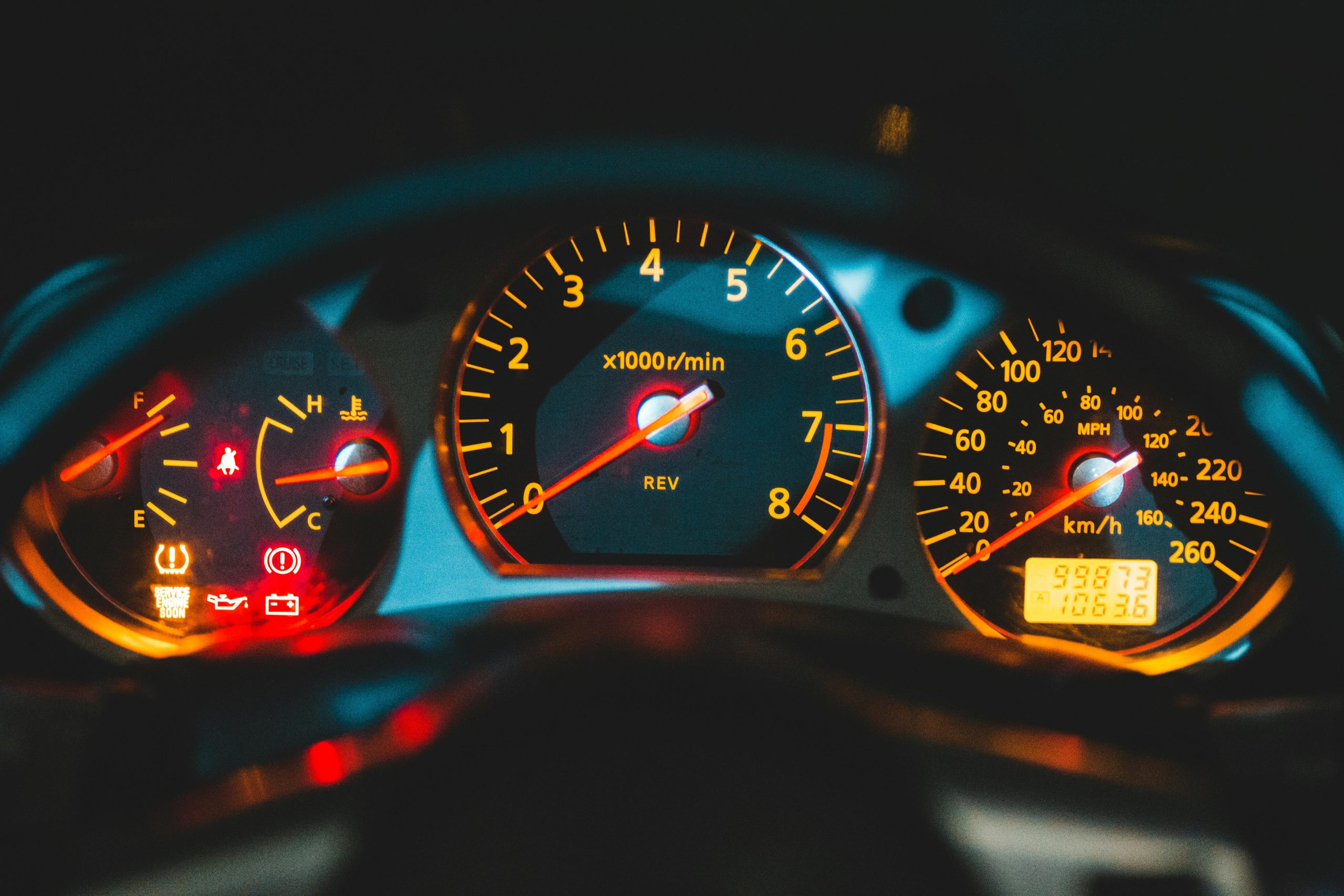

A battery warning light that flickers while you’re driving is not something to ignore. Even if the car still runs, that blinking light is your vehicle’s way of saying the charging system is struggling. If the problem continues, the car can lose power, shut down electronics, or stall completely.
This guide explains why the battery light flickers, how it connects to charging system failures, and what you should do before you end up stuck on the road.
What the Battery Light Really Means
Many drivers think the battery light means the battery itself is bad. In reality, that light is warning you about the entire charging system, not just the battery.
The charging system includes:
- The alternator
- Voltage regulator
- Battery
- Drive belt
- Wiring and grounds
When the light flickers, it usually means the system is producing unstable voltage. That instability can damage electronics and drain the battery while driving.
Common Reasons the Battery Light Flickers While Driving
1. Failing Alternator
The most common cause is a weak or failing alternator.
An alternator should produce steady voltage. When internal components wear out, voltage output becomes uneven. This causes the battery light to turn on and off, especially when:
- Engine speed changes
- Electrical load increases
- The alternator heats up
Signs of alternator trouble include:
- Dim or pulsing headlights
- Electronics resetting
- Whining or grinding noise from the engine bay
If ignored, the alternator can stop charging completely.
2. Worn or Slipping Drive Belt
The alternator relies on a belt to spin. If that belt is:
- Loose
- Cracked
- Glazed
- Oil-soaked
The alternator may slip instead of spinning properly. This causes voltage drops, which trigger the battery light.
The flicker often happens:
- During acceleration
- When turning on headlights or AC
- At idle
A simple belt replacement can sometimes prevent a full charging failure.
3. Loose or Corroded Battery Connections
Battery terminals must stay clean and tight. Corrosion or looseness creates resistance, which interrupts charging flow.
Common symptoms include:
- Battery light flickering on bumps
- Random electrical glitches
- Car starting fine but warning lights appearing later
Even small amounts of corrosion can confuse the vehicle’s voltage sensors.
4. Bad Voltage Regulator
The voltage regulator controls how much power the alternator sends to the battery. If it fails, voltage may spike or drop.
This can cause:
- Battery light flickering
- Overcharging or undercharging
- Burned-out bulbs
- Warning lights appearing together
Many modern cars have the regulator built into the alternator, so replacement often means a full alternator swap.
5. Weak or Internally Damaged Battery
A battery with:
- Internal cell damage
- Sulfation
- Age-related wear
can no longer stabilize voltage properly. Even if the alternator works, the system voltage becomes unstable.
This usually happens when:
- The battery is over 3–5 years old
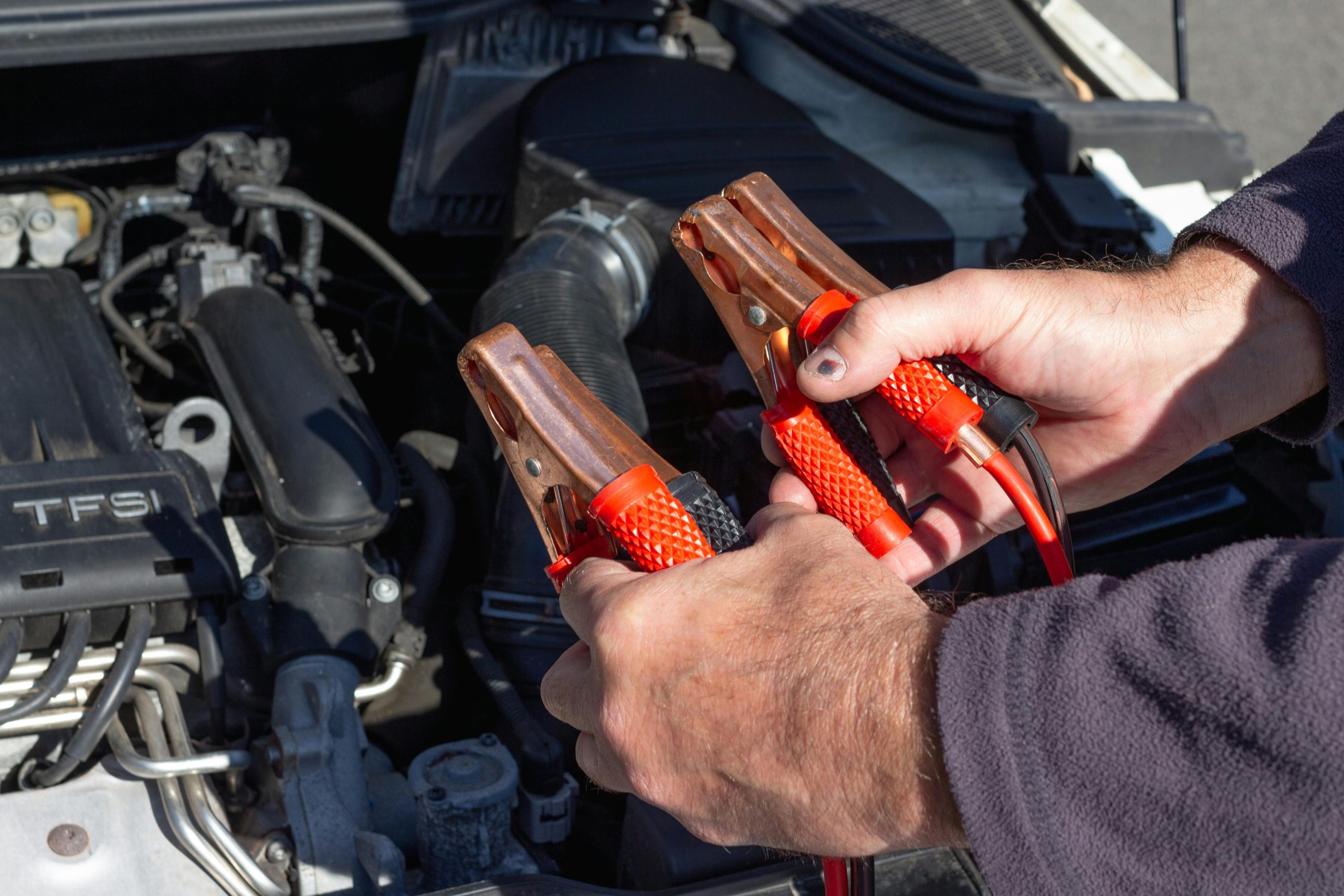
- The car has been jump-started many times
- The vehicle sits unused for long periods
The flickering battery light may appear more often during stops and starts.
6. Faulty Ground or Wiring Issues
The charging system depends on solid ground connections. A bad ground wire or damaged cable can cause intermittent voltage loss.
Look for:
- Flickering lights when hitting bumps
- Battery light turning on during turns
- Burning smell near wiring
Wiring issues are often overlooked but can cause long-term charging problems.
7. High Electrical Load Overwhelming the System
If the alternator is already weak, turning on:
- Headlights
- Heated seats
- AC
- Rear defroster
- Audio system
can push it past its limit. Voltage drops, and the battery light flickers.
This is a warning that the system is close to failing.
Why Flickering Leads to Charging System Failure
A flickering battery light means voltage is unstable. Over time, unstable voltage causes serious damage.
Battery Drain While Driving
Instead of charging, the battery slowly drains. Once voltage drops too low, the engine can stall.
Electronic System Damage
Modern vehicles rely on computers. Voltage spikes can damage:
- Engine control modules
- Sensors
- Infotainment systems
Sudden Engine Shutdown
When the battery can no longer support the system, the engine may shut off without warning.
No Restart After Shutdown
Once stalled, the car often won’t restart because the battery is fully drained.
Is It Safe to Drive With a Flickering Battery Light?
Short answer: No, not for long.
You may be able to drive briefly, but the risk increases with time. The car can shut down at any moment, especially at low speeds or idle.
If the battery light is flickering:
- Avoid long trips
- Turn off non-essential electronics
- Get the system checked as soon as possible
How to Diagnose the Problem
Step 1: Check the Battery Terminals
Look for corrosion or loose connections. Clean and tighten if needed.
Step 2: Inspect the Drive Belt
Check for cracks, looseness, or shine. A slipping belt is a common cause.
Step 3: Test Battery Voltage
With the engine running, voltage should be around 13.7–14.5 volts. Anything lower or unstable indicates a problem.
Step 4: Load Test the Alternator
A proper alternator test under load reveals hidden failures.
Step 5: Scan for Electrical Fault Codes
Modern cars may store charging system errors even if the light goes off.
Common Mistakes Drivers Make
- Replacing the battery without testing the alternator
- Ignoring flickering because the car still drives
- Continuing to drive until the car stalls
- Jump-starting repeatedly instead of fixing the root cause
These mistakes often lead to higher repair costs.
How to Prevent Charging System Failures
- Replace belts at recommended intervals
- Clean battery terminals regularly
- Replace old batteries before they fail
- Address warning lights immediately
- Avoid overloading the electrical system
Simple maintenance can prevent most charging failures.
When to See a Mechanic Immediately
Get professional help if:
- The battery light stays on longer
- Headlights dim while driving
- The engine stalls
- Multiple warning lights appear
- The car struggles to start after driving
These are signs the charging system is close to complete failure.
Final Thoughts
A battery light flickering while driving is never random. It’s a clear sign that the charging system is under stress. Whether the issue is a failing alternator, loose wiring, or a weak battery, ignoring the warning can lead to breakdowns, damaged electronics, and unsafe driving conditions.
Catching the problem early saves money, prevents inconvenience, and keeps your vehicle reliable. When it comes to charging system warnings, quick action makes all the difference.