
Imagine your car’s oxygen sensor is the unsung hero of your daily commute, quietly ensuring everything runs smoothly until it doesn’t.
When it fails, you’ll notice a symphony of issues; from a glaring check engine light to a drastic dip in fuel efficiency that hits your wallet hard.
You might also experience rough idling or catch a whiff of something foul in the exhaust. .These are just the tip of the iceberg.
Curious about what happens if these warning signs are ignored, or better yet, how to spot them early on? Let’s explore how these small components have a big impact on your car’s health.
Importance of Oxygen Sensors
Oxygen sensors are crucial in guaranteeing your vehicle’s engine runs efficiently by monitoring and adjusting the air-fuel mixture. These sensors help your car feel like part of the community, contributing positively by controlling emissions.
By regulating the fuel injection, they ensure the engine combusts fuel properly, maximizing performance and minimizing harmful exhaust gases. Your car has at least two oxygen sensors; each plays an essential role.
The downstream sensor checks the catalytic converter’s effectiveness in emissions control, making sure your vehicle does its part in keeping the air clean.
These sensors respond to exhaust gas levels, sending electrical signals that indicate whether the mixture is too rich or lean, helping maintain the delicate balance needed for efficient engine function.
Common Signs of Failure
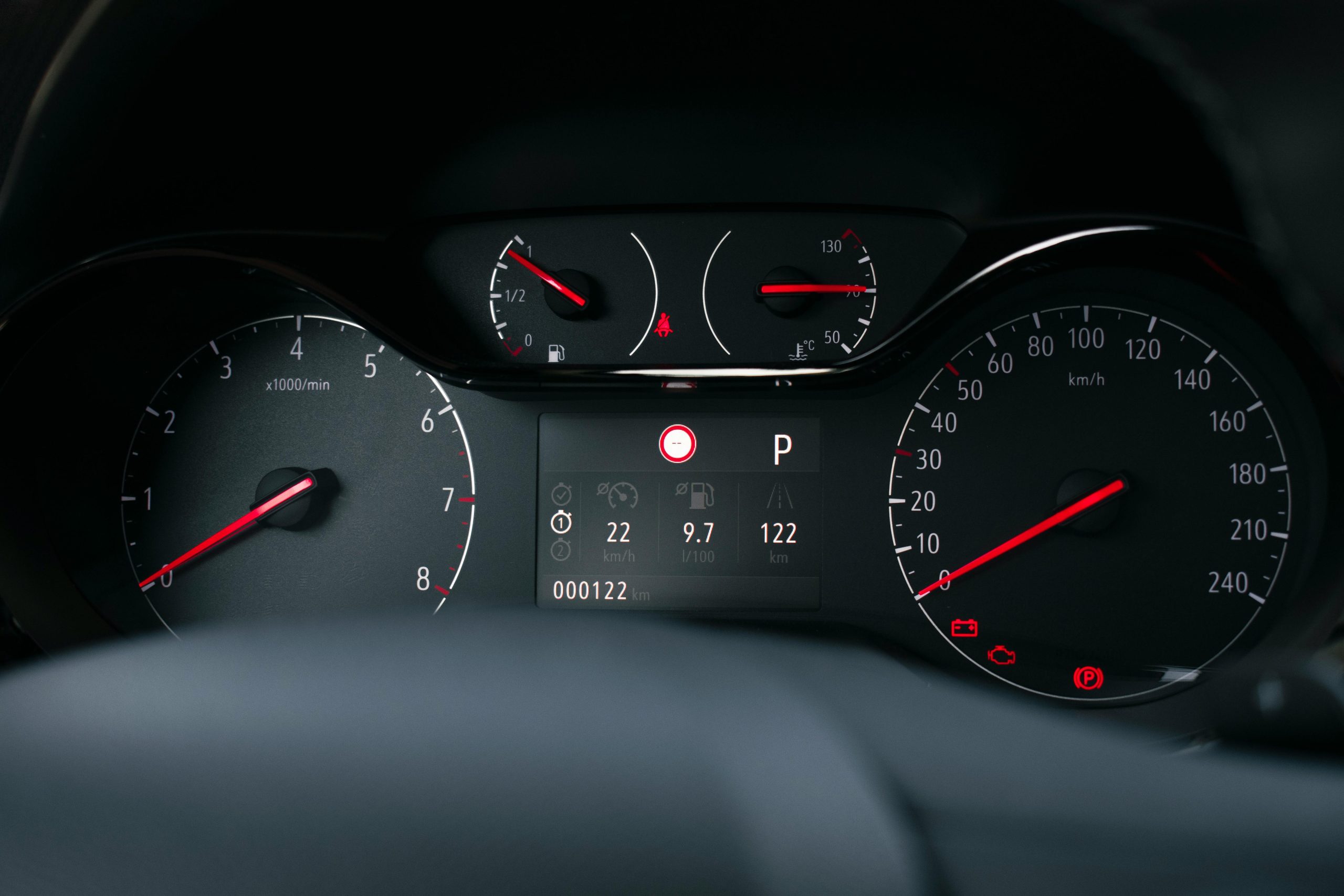
Have you noticed your check engine light turning on unexpectedly? This could be a sign of a failing oxygen sensor.
When your vehicle starts showing signs like poor fuel economy or rough idling, it’s essential to pay attention. These symptoms mean your oxygen sensor might be bad, affecting how your vehicle manages fuel and air mixture.
You might even notice a rich, unpleasant smell, like sulfur, coming from your exhaust, or see black smoke billowing out. This indicates that your vehicle isn’t burning fuel efficiently, potentially harming your catalytic converter in the process.
Decreased Fuel Efficiency
A bad oxygen sensor can greatly reduce your car’s fuel efficiency, making it consume more fuel than usual. Here’s how you’ll notice the symptoms:
- Lower Mileage: You might find your car’s mileage noticeably lower than the EPA’s estimates.
- Increased Fuel Consumption: You’ll see a noticeable rise in how much fuel you’re using.
- Monitoring Drops: Keep an eye on your fuel efficiency; a sudden drop could be a red flag.
- Diagnosis and Replacement: Getting your vehicle checked and the sensor replaced promptly can save you money.
When the oxygen sensor works improperly, it misjudges the air-fuel mixture, leading to rich or lean mixtures, causing excess fuel usage. You’re not alone in this; many face these issues, and recognizing them is the first step to improvement.
Unusual Exhaust Emissions
If you notice black smoke or a strong odor from your exhaust, it’s likely due to a faulty oxygen sensor impacting your engine’s combustion efficiency.
When your car starts spewing black smoke, it’s a clear signal that the air-fuel mixture isn’t right. This imbalance can produce excessive fuel buildup, causing incomplete combustion and resulting in those noticeable gasoline odors or even sulfuric smells.
Potential Emission Test Failures
When your vehicle fails an emissions test, a faulty oxygen sensor often plays a vital role by improperly regulating the air-fuel mixture. This situation can make you feel disconnected, as if you and your car aren’t up to standard.
Both the upstream and downstream sensors are essential for controlling emissions by monitoring the levels of harmful gases. If these sensors malfunction, it leads to increased emissions that can trigger a failed emissions test.
A malfunctioning oxygen sensor might prevent your catalytic converter from operating efficiently, worsening the problem. You’ll know something’s off if the check engine light comes on, warning you of out-of-range sensor readings.
Risks of Ignoring Symptoms
Ignoring the symptoms of a bad oxygen sensor not only reduces fuel efficiency but also risks severe engine and exhaust system damage. Here’s what you’re risking by not addressing the issue:
- Peak Fuel Efficiency: You’ll notice your vehicle guzzling more fuel.
- Rough Idle: Your car might start to shake or stall unexpectedly while idling.
- Catalytic Converter Damage: Ignored bad oxygen sensors can lead to costly repairs on your catalytic converter.
- Failed Emission Tests: Expect more harmful emissions, failing those essential tests.
Conclusion
So, when your car starts whispering hints of distress through quirky behaviors like thirstier fuel habits or moody performance, it’s smart to pay attention.
That little check engine light? It’s not just trying to brighten your dash; it’s a gentle nudge to check on your oxygen sensor before minor hiccups evolve into major headaches.
Don’t wait until your ride starts singing the blues through its exhaust; keeping tabs on these signs guarantees a smoother journey and a happier wallet.
For any auto repair concerns, you can contact Lincoln Repair at either 701-401-8611 or 701-557-9910.