
Imagine you’re on your way to an important meeting and your car refuses to start; the culprit is often worn-out battery. You’ve likely faced a situation where you’ve ignored signs like dimming headlights or a sluggish engine start, but understanding the right time to replace your car battery can save you from unexpected hitches.
If you’re wondering about the lifespan of your battery or how to spot the warning signs before it’s too late, knowing a few key maintenance tips could be essential. What should you look out for, and how do you ensure you’re not stranded?
Understanding Battery Lifespan
Car batteries typically last 3 to 5 years, but factors like your driving habits and maintenance routine can extend or shorten this lifespan.
If you often take long drives, you’re helping maintain the battery’s power effectively, as these trips keep it well-charged. Conversely, if you’re prone to frequent short trips, your car battery mightn’t fully charge, reducing its lifespan.
To make sure your battery lasts through the typical three to five years, it’s important to regularly inspect the battery.
Check for signs of corrosion on the terminals, make certain the connections are tight and clean, and consider having it tested professionally to gauge its health. Remember, your car relies heavily on this component to power all its electrical components.
Moreover, extreme temperatures can be tough on your battery. In hot climates, the heat can accelerate the degradation of battery components, while cold temperatures can reduce its capacity to hold a charge. Adapting your maintenance routine to address these challenges can help maximize the lifespan of your car’s battery, ensuring you aren’t caught off guard by a sudden need to replace it.
Identifying Battery Failure Signs
You might notice your engine cranking slowly, your headlights dimming, or a clicking sound when you turn the key, all of which are common indicators of a failing car battery. These signs point to a weak battery that struggles to muster the energy required for a smooth start.
When you observe these symptoms, it’s important to test your battery to confirm the suspicion of a battery problem.
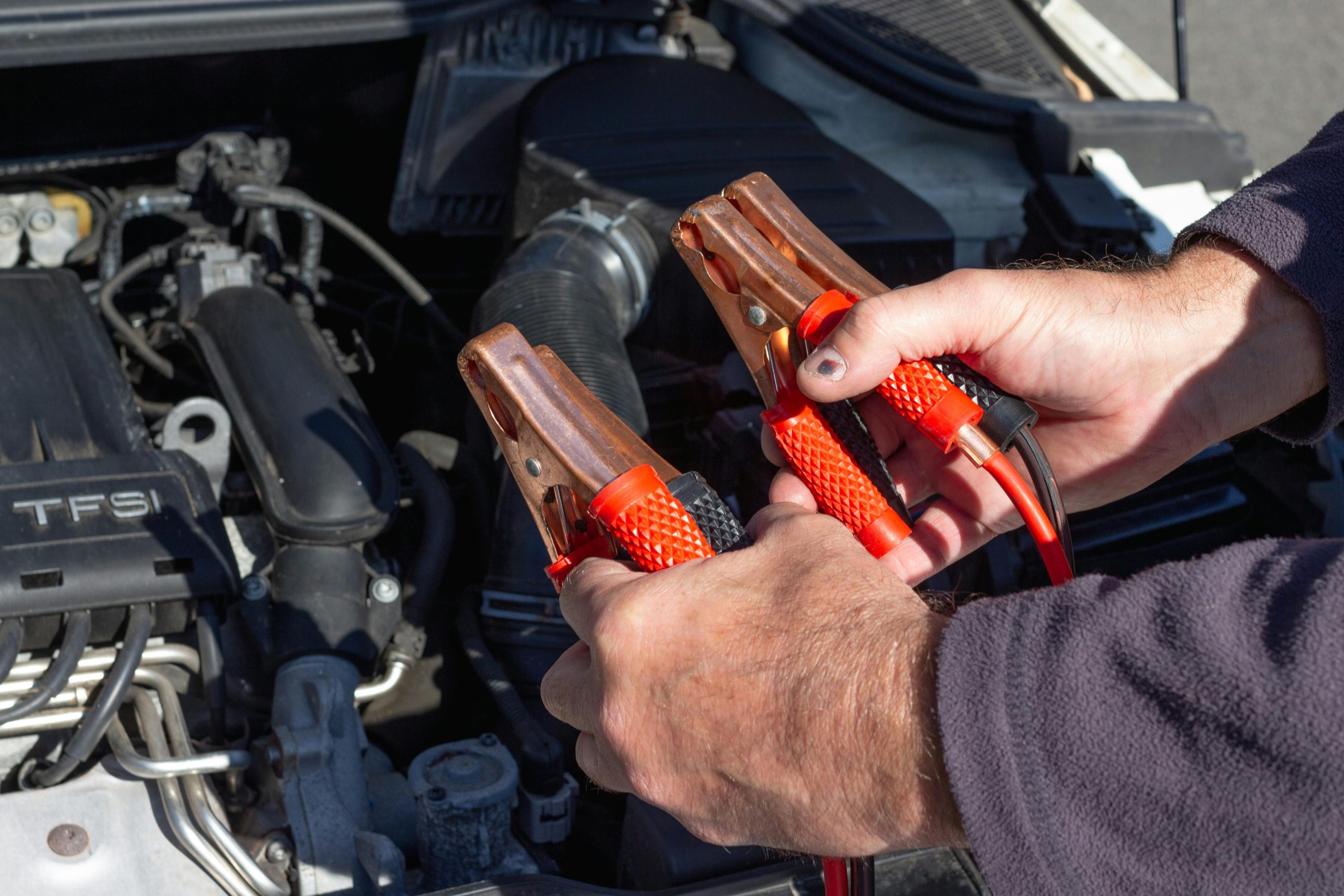
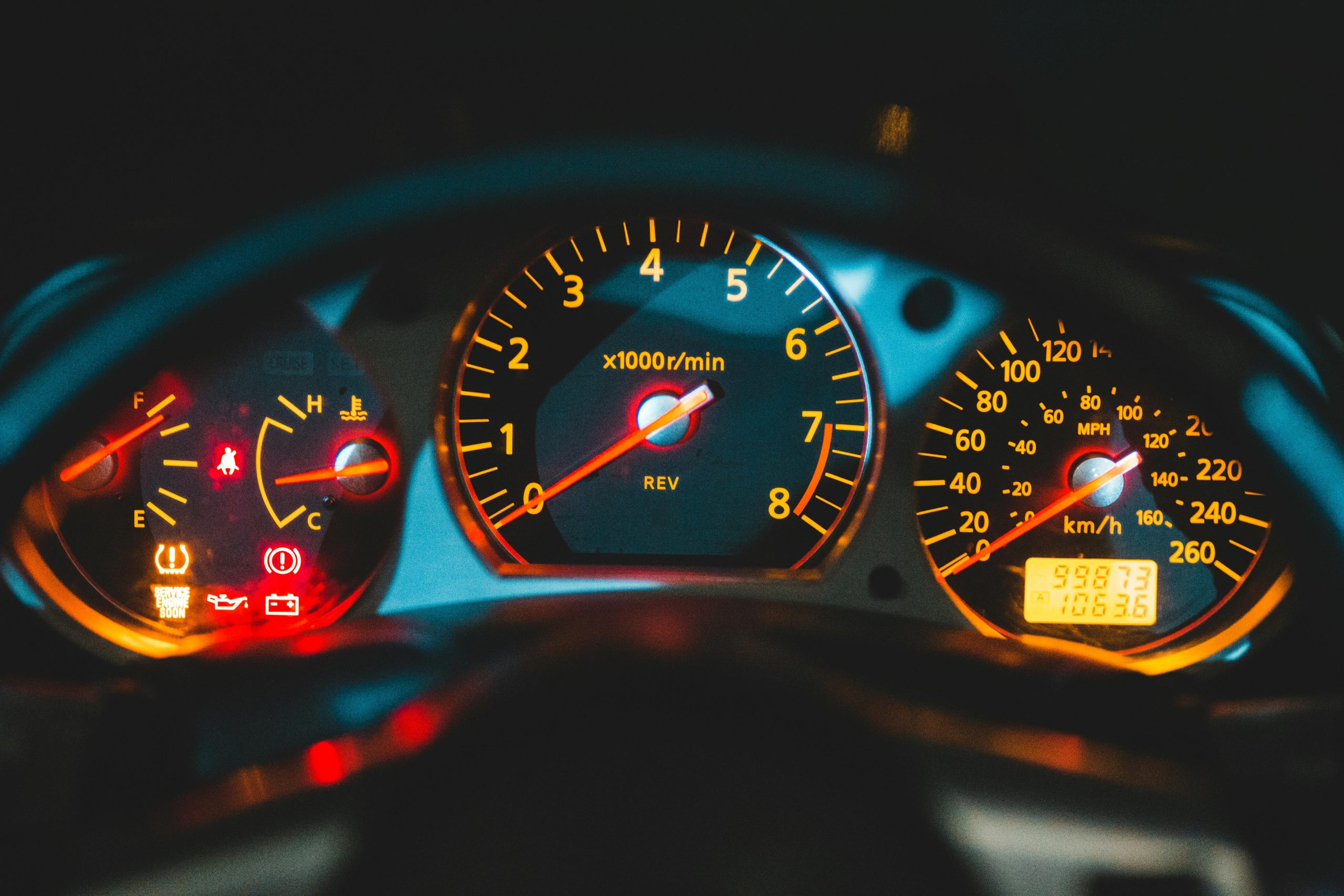
Further signs include your Check Engine Light flickering or turning on, which often signals an electrical issue potentially linked to battery performance. If you’re jump-starting your car frequently, especially during cold weather, this red flag indicates your battery’s declining health.
Electrical issues may extend beyond starting problems. You might notice that electrical components like your car stereo, lights, or dashboard battery indicator aren’t functioning as they should. A bad smell or a bulging case around the battery are urgent signs that you must replace your car battery immediately.
Regular Battery Maintenance Tips
Regularly checking for corrosion on your battery terminals is essential to prevent poor connections. This simple maintenance can help guarantee your car’s electrical system functions at its best, giving you the power to start your engine without hassle.
You must clean the terminals immediately if you spot any corrosion during your inspection. This prevents the risk of a dead battery when you least expect it.
Make sure your battery is securely mounted to keep it fully charged and functioning. Vibrations from driving can damage the battery if it isn’t properly fixed in place, forcing you to replace it sooner than necessary.
Additionally, it’s important to look for common indicators of wear, like cracks or leaks. These signs often suggest that it’s time to inspect or replace your battery.
Lastly, don’t overlook the importance of a well-maintained engine. A smooth-running engine reduces the strain on your battery, extending its life and saving you from premature battery replacement.
Regular checks and tune-ups are your best defense against unexpected failures, ensuring that your car is always ready to go when you are.
Steps for Battery Replacement
If it’s time to replace your battery, consult an automotive professional to assess its condition. They’ll check the voltage and determine if your battery is providing enough power or if it’s time to replace it.
A vital battery is important for maintaining your car’s electrical system and ensuring your engine starts smoothly. Batteries normally last three to five years.
However, if yours is getting close to five years old, it might be time to contemplate a replacement, especially if you notice issues like slow engine cranking or dim headlights. These signs indicate that the battery isn’t holding a charge as well as it should.
When selecting a new battery, ensure it matches your vehicle’s specifications. An Auto Repair shop can help you find the right battery and will handle the installation. They’ll remove the old battery, ensuring proper disposal, and install the new one, making sure all electrical connections are secure.
Replacing your battery before it fails can save you from unexpected problems on the road. Keep track of your battery’s age and performance to guarantee your vehicle remains reliable, especially if it’s over three years old. Regular checks by a professional can help extend your battery’s life.
Professional Battery Inspection Services
To ensure your car’s reliability, consider having a professional inspect your battery regularly. Trained technicians at authorized service centers will test your battery’s voltage levels to ensure it maintains a good charge.
They’ll also perform load tests to evaluate the reserve capacity and overall performance. This is essential, especially if you’re often on short trips, which mightn’t allow the battery to fully charge.
During the inspection, a visual check of the battery case and terminals helps identify any signs of wear or potential damage. If there are cracks or corrosion, it could clearly indicate that your car needs a new battery. Remember, the condition of the battery case can tell you a lot about the health of what’s inside.
Regular professional checks can prevent you from being stranded due to unexpected battery failure. It’s recommended to have these inspections every three years to keep the battery in top condition. If any issues are found, technicians can promptly replace the battery, ensuring you’re not left guessing when it might fail.
Conclusion
You’ve learned how important it is to monitor your car battery’s health. Remember, around 40% of car breakdowns are battery-related.
Regular checks and timely replacements can prevent unexpected hassles. Follow these tips, consult professionals, and choose the right battery to ensure your car remains reliable.
Don’t wait for complete failure; proactive maintenance is key. Stay on top of your car’s needs and drive worry-free!
For any auto repair concerns, you can contact Lincoln Repair at either 701-401-8611 or 701-557-9910.