Transmission fluid is a vital part of your vehicle’s system. It doesn’t just help the transmission work properly; it ensures smooth gear changes, prevents overheating, and reduces wear and tear on moving parts. However, adding too much of this fluid can create unexpected and costly problems.
While many drivers focus on avoiding low transmission fluid levels, it’s just as important to be cautious about overfilling.
Let’s explore how overfilling transmission fluid impacts your vehicle, what warning signs to look for, and how to avoid making this mistake.
Why Is Transmission Fluid Important?
Transmission fluid is like the lifeblood of your car’s transmission system. Its primary functions are to:
- Lubricate the Transmission Parts: Your vehicle’s transmission contains a network of gears, clutches, and other moving parts. Without proper lubrication, these parts would grind against each other, causing rapid wear.
- Cool the Transmission: During operation, the transmission generates a lot of heat. Transmission fluid absorbs this heat and helps regulate the temperature to prevent overheating.
- Enable Smooth Gear Changes: The hydraulic nature of the transmission fluid allows for seamless transitions between gears. This ensures a smoother, more comfortable driving experience.
A balanced level of transmission fluid is essential to keep these processes running efficiently. Too little fluid can cause problems, but too much can also wreak havoc.
What Happens When You Overfill Transmission Fluid?
Overfilling your transmission fluid might seem harmless, but the consequences can be serious. Here’s a detailed breakdown of the issues it can cause:
1. Increased Pressure in the Transmission
When you add too much fluid, it has nowhere to go. The additional volume creates excessive pressure inside the transmission system. This pressure can strain the seals and gaskets, which are designed to maintain a tight, leak-free system. Over time, this pressure can cause these seals to fail, leading to fluid leaks that might require expensive repairs.
2. Aeration of the Fluid
With too much fluid in the system, the fluid may come into contact with the moving parts of the transmission. This can cause the fluid to churn and foam, a process called aeration. Aerated transmission fluid loses its ability to lubricate properly. Instead of creating a smooth surface for parts to glide against, the bubbles in the fluid can lead to rough operation and increased friction.
3. Reduced Efficiency
Transmission fluid that has been aerated or is under excessive pressure doesn’t function as it should. This inefficiency can lead to sluggish performance, such as delayed gear engagement or trouble shifting. In more severe cases, it can cause the transmission to slip, where the gears don’t lock in place properly.
4. Potential Component Damage
When your transmission isn’t properly lubricated or cooled, the internal components are exposed to greater stress and heat. Over time, this can lead to the premature failure of clutches, bands, and other key parts. Replacing or rebuilding a damaged transmission is not only time-consuming but can also be one of the most expensive repairs for a vehicle owner.
Signs Your Transmission Fluid Is Overfilled
How can you tell if you’ve accidentally overfilled your transmission fluid? Fortunately, your car often provides warning signs that shouldn’t be ignored.
Here are some common indicators:
- Fluid Leaks: Excess pressure may force transmission fluid to escape through seals or gaskets. If you notice puddles of reddish fluid under your car, it’s time to investigate.
- Foamy or Frothy Fluid: If you check the dipstick and see bubbles or froth in the fluid, it’s a clear sign that the fluid is aerated due to overfilling.
- Trouble Shifting Gears: Difficulty shifting, delayed engagement, or a rough transition between gears can indicate transmission fluid problems.
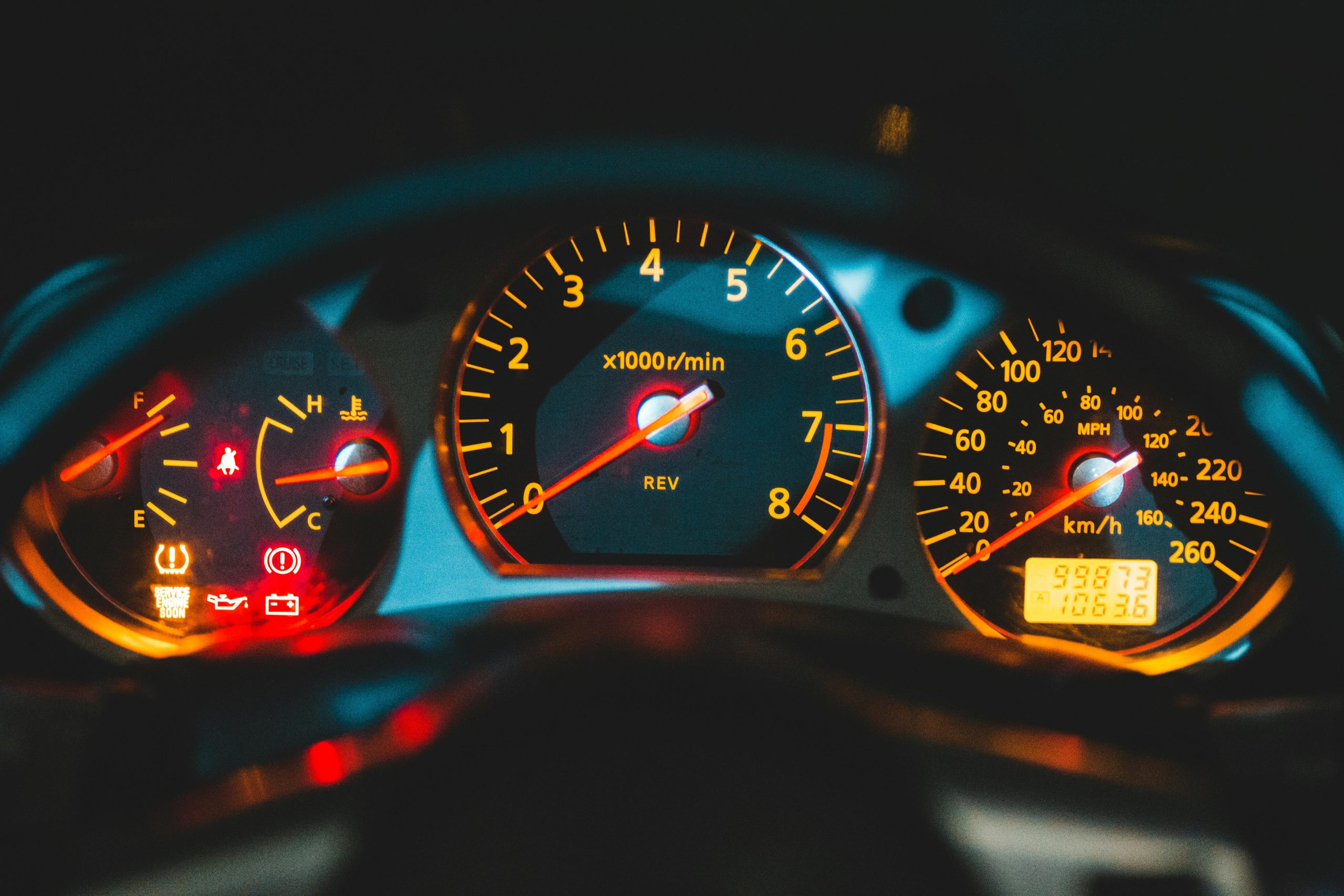
- Overheating Transmission: An overheating transmission might trigger a warning light on your dashboard. Ignoring this light could lead to serious damage.
- Unusual Noises: Whining, humming, or other strange sounds from your transmission are often a sign that something isn’t working as it should.
How to Prevent Overfilling Transmission Fluid
The good news is that overfilling transmission fluid is entirely preventable. By following these simple tips, you can avoid costly mistakes and keep your car in top shape:
1. Check Fluid Levels Regularly
Make it a habit to check your transmission fluid levels regularly using the dipstick. Ensure the car is on a level surface and follow your owner’s manual for proper procedures. Checking regularly allows you to spot issues early, such as low fluid levels or leaks, before they escalate.
2. Follow Manufacturer’s Specifications
Each vehicle has specific requirements for the type and amount of transmission fluid it needs. Overfilling often happens when drivers guess instead of consulting their owner’s manual. Always use the recommended fluid type and amount.
3. Top Off Gradually
If you need to add fluid, pour it in small increments. After each addition, check the fluid level with the dipstick. This ensures you don’t accidentally overfill.
4. Inspect for Leaks
Sometimes, a leak can make it appear like your fluid level is low when it’s not. Always inspect the transmission system for signs of leaks before adding more fluid.
5. Consult a Professional
If you’re unsure about how much fluid your vehicle needs or how to check it, don’t hesitate to seek help from a qualified mechanic. They can ensure your fluid is at the correct level and address any potential issues.
What to Do if You’ve Overfilled Your Transmission Fluid
If you suspect you’ve overfilled your transmission fluid, don’t panic. Here’s what you can do to fix the problem:
- Drain the Excess Fluid Use the transmission drain plug or a fluid extraction pump to carefully remove the extra fluid. Be cautious not to drain too much, as running the transmission on low fluid can be equally harmful.
- Inspect for Damage Check for any visible signs of damage, such as leaks, failed seals, or unusual noises. If you notice any of these signs, have your vehicle inspected by a professional mechanic.
- Replace Aerated Fluid If the fluid has become aerated, it’s best to replace it with fresh fluid. Aerated fluid loses its effectiveness, and continuing to use it can cause long-term damage.
- Monitor Your Vehicle’s Performance After correcting the fluid level, keep an eye on how your vehicle behaves. If you continue to experience problems such as overheating or rough shifting, consult a professional immediately.
The Bottom Line
While transmission fluid is essential for keeping your vehicle’s transmission system running smoothly, overfilling it can create a host of problems.
From increased pressure and aeration to reduced efficiency and long-term damage, the consequences of overfilling are not worth the risk.
The key to avoiding these issues is regular maintenance, careful monitoring, and following your vehicle manufacturer’s recommendations.
By taking proactive steps to maintain the correct fluid levels, you can ensure your transmission operates effectively, saving you from costly repairs and extending the lifespan of your vehicle.
Always remember; when it comes to transmission fluid, balance is everything.