Did you know that nearly 22% of vehicle malfunctions are related to brake system failures? Maintaining your brake rotors isn’t just about avoiding that screeching noise; it’s essential for your safety.
You’re likely familiar with the basics; keep them clean and monitor for wear. But when is the right time to actually replace them, and what should you look for in new rotors?
As you consider these questions, remember that the answers could greatly impact your vehicle’s braking efficiency and your safety on the road. Let’s explore what you need to keep an eye out for.
Understanding Brake Rotors
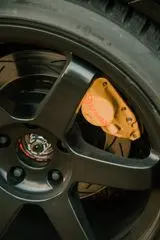
Brake rotors, your car’s critical components, are circular metal discs that, when pressed by brake pads, effectively slow and halt your vehicle. You’ll find them made from durable materials such as cast iron, carbon-ceramic, and stainless steel. Each type tailors to specific driving demands and vehicle classes, with your choice hugely impacting overall braking performance.
Let’s dive deeper. The design of these rotors; whether solid or vented; affects their ability to absorb and dissipate heat. Vented rotors are particularly vital in high-performance vehicles because they prevent overheating and reduce gas trapping between the pad and rotor surface.
As a car enthusiast or a casual driver, you should understand the synergy between the rotor and the quality brake pads. This pairing dictates the smoothness and efficiency of your braking system.
Signs of Wear and Tear
You may notice vibrations or pulsations when braking, which often indicate rotor wear and potential damage. These symptoms are critical indicators that your brake rotors, a critical component of your vehicle’s braking system, may be compromised.
Here are key signs of wear and tear on brake rotors that you should look out for:
- Scraping or Grinding Noises: These are often the first indication that your brake rotors are worn down. If you hear these noises, it’s time to inspect your brake rotors.
- Visible Cracks or Gouges: Any visible defects on the rotor surface can be a clear sign of excessive wear. Don’t overlook these flaws; they require immediate attention.
- Uneven Wear: If the rotor surface isn’t uniformly smooth or if there’s a noticeable lip at the edges, this uneven wear can affect braking performance.
- Rotor Thickness: Reduced rotor thickness suggests significant wear. Regular checks are essential to determine if it’s time to replace or resurface the rotors.
Maintenance Tips
Regular maintenance greatly extends the lifespan of your brake rotors. To guarantee they remain in top condition, start by regularly cleaning them with a specialized brake cleaner spray.
In addition to routine cleaning, applying an anti-rust spray is essential for rust prevention. This step is particularly important if you live in a humid climate or your vehicle is frequently exposed to moisture. The anti-rust spray forms a protective barrier, shielding your brake rotors from the corrosive effects of rust.
Always use high-quality brake pads that are compatible with your vehicle. High-quality brake pads not only guarantee optimal performance but also reduce undue wear on your rotors, thus prolonging their life.
Proper storage is vital. If possible, store your vehicle in a dry garage. When parking outdoors, use a protective cover to minimize exposure to elements that can contribute to rust formation.
When to Replace Rotors
Knowing when to replace your rotors is essential for maintaining your vehicle’s braking efficiency and safety. Regularly checking the condition of your brake rotors helps you identify warning signs of deterioration.
Here’s when you should consider rotor replacement:
- Minimum Thickness: Always measure the thickness of your rotors. If they’re below the manufacturer’s specified minimum, it’s time to replace them. This prevents the risk of brake failure.
- Visible Damage: Look out for deep grooves, warping, or severe damage on the rotor surface. These imperfections can greatly diminish braking performance.
- Brake Pad Compatibility: Switching to different brake pad compounds for specific driving conditions, like track events or high-performance driving, often requires a corresponding rotor change to ensure both components work harmoniously.
- Performance Deterioration: If you’re experiencing symptoms like heat-induced warping or excessive wear, particularly after intense driving sessions, rotor replacement is necessary to maintain top performance and safety.
Choosing Quality Brake Pads
Selecting the right brake pads is essential for achieving top braking performance and guaranteeing safety in your vehicle. Quality brake pads directly influence your ability to stop effectively and manage brake fade during intense use. It’s vital to choose pads that match the specific needs of your vehicle for peak compatibility with your brake rotors.
When you’re in the market for new brake pads, start by consulting your vehicle’s manual. This guide provides critical details about the type of pads that are best suited for your car’s braking system. Don’t skip this step; using the wrong type can lead to reduced stopping power and potential damage to your rotors.
For those of you seeking enhanced performance, consider high-performance brake pads. These are designed to provide superior stopping power and are especially effective at reducing brake fade during high-speed driving or in heavy vehicles.
Always opt for quality brake pads from reputable manufacturers. This isn’t just about brand loyalty; it’s about being part of a community that values safety and performance.
Conclusion
You’ve learned the essentials of maintaining brake rotors. Remember, a staggering 70% of braking effectiveness hinges on well-maintained rotors.
Regularly clean and inspect them, and don’t hesitate to replace rotors that show excessive wear or damage. Opt for high-quality, compatible brake pads to extend rotor life.
By following these guidelines, you guarantee your vehicle’s braking system remains in top condition, maximizing safety and performance on the road.