Isn’t it curious how you often don’t notice your car’s quirks until a warning light blinks on? As you drive, it’s important to not brush off these alerts.
The check engine light isn’t just a pesky reminder; it’s a signal that something’s amiss. Whether it’s a faint knocking sound that’s recently started or the car suddenly guzzling more gas, these symptoms can hint at bigger issues lurking under the hood.
If you’ve noticed any of these signs, consider what they could be pointing to. Ignoring them might lead to dire consequences, ones you’ll want to avoid. So, what could be the risk of letting these warnings slide?
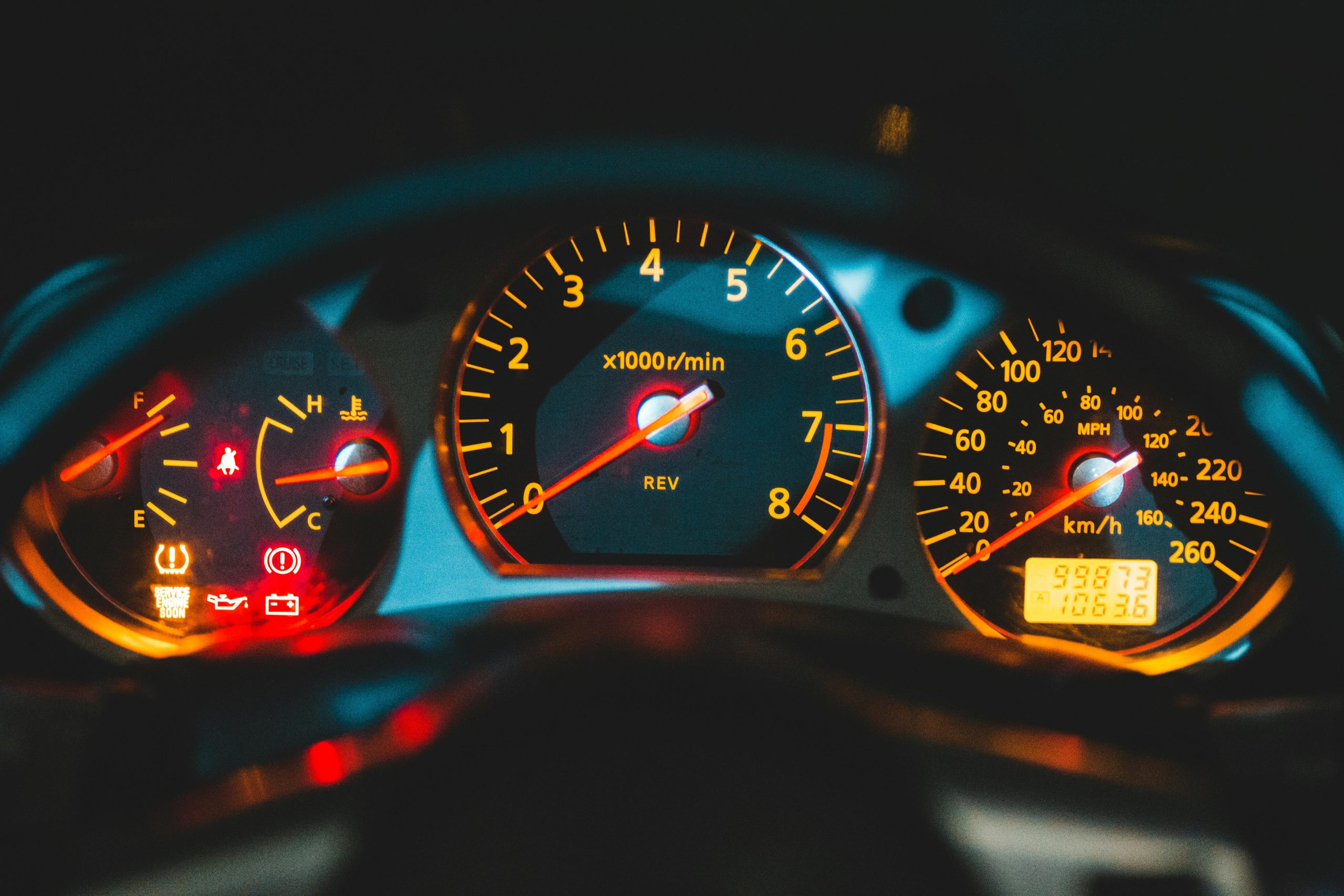
Persistent Check Engine Light
When your check engine light stays on, it’s a clear signal that your vehicle needs immediate attention to prevent potential engine damage or costly repairs. An illuminated check engine light can indicate a range of issues from minor glitches to severe malfunctions.
Understanding what this warning light means is important to maintaining your engine’s health and ensuring you’re part of a community that values diligent vehicle care.
Don’t panic but don’t ignore the light either. This light is a direct communication from your vehicle’s diagnostic system, hinting that there’s an engine problem that needs to be addressed. It’s essential to interpret these alerts promptly to avoid the escalation of damage that could lead to costly repairs.
Taking timely action by consulting with a qualified mechanic can save you both money and stress. They’ll use a specialized tool to read the error codes from your engine’s computer, pinpointing the exact issue. Whether these indicate minor or serious problems, addressing them quickly is key to avoid potential engine damage.
Unusual Engine Noises
Unusual engine noises, such as knocking, banging, hissing, or grinding, often signal serious internal issues that require immediate attention. When you hear knocking noises, it’s likely pointing to combustion problems. Don’t overlook these signs; they’re your vehicle’s way of crying for help.
Hissing sounds often indicate a different type of trouble, such as cooling system leaks. These leaks can lead to overheating, which, if not promptly addressed, might result in severe engine damage.
Your car’s engine operates efficiently within a specific temperature range. Any deviation due to system leaks can compromise its functionality and longevity.
Addressing these unusual engine noises quickly is key to preventing escalated engine problems. It’s not just about avoiding costly repairs; it’s about maintaining your vehicle in its best shape for safety and top performance. Take these warnings seriously; treat them as an urgent call to action.
Excessive Exhaust Smoke
Notice the color of your exhaust smoke; it provides important clues about your engine’s health. When you spot excessive exhaust smoke, it’s a warning sign you can’t afford to ignore. Each color pinpoints a specific problem, allowing you to diagnose issues accurately and take action before they escalate.
Black smoke often indicates a rich fuel mixture. This might seem minor, but it suggests that your engine is burning more fuel than necessary, which could lead to other underlying engine issues.
On the other hand, white smoke can be a sign of coolant entering the combustion chamber; a serious engine issue that could result in significant engine damage if not addressed promptly.
Each of these scenarios points to different causes but shares a common consequence: potential severe engine damage.
Don’t overlook these signs. If you notice any change in the color of your exhaust smoke, it’s important to consult with a professional mechanic to investigate and resolve the issue swiftly.
Reduced Fuel Efficiency
If you’re experiencing reduced fuel efficiency, it may indicate issues like a clogged fuel filter or a faulty oxygen sensor that need immediate attention. When your car starts consuming more fuel than usual, it’s not just an inconvenience; it’s a sign that something’s not right under the hood.
Reduced fuel efficiency, sometimes referred to as decreased fuel economy, can stem from various engine issues. A clogged fuel filter, for instance, restricts the flow of gasoline to your engine, forcing it to work harder and, consequently, consume more fuel.
But it’s not only these more evident issues that could be affecting your car’s fuel efficiency. Factors like improper tire pressure, dirty air filters, and spark plug problems also play an important role. Low tire pressure increases road resistance, while dirty air filters restrict air flow to the engine, both of which can lead to increased fuel consumption.
Engine Stalling or Hesitation
While reduced fuel efficiency may be easier to detect, engine stalling or hesitation also signals significant underlying problems that require immediate attention. If you’ve experienced your engine shutting off unexpectedly, struggling to accelerate, or jerking while driving, these are clear symptoms that shouldn’t be overlooked.
Such issues might stem from a faulty fuel pump, dirty fuel injectors, or a clogged air filter; each capable of disrupting your vehicle’s performance.
Ignoring these warning signs can lead to dangerous situations, especially if your vehicle loses power suddenly in traffic or on the highway. It’s important to understand that these aren’t just minor inconveniences; they’re indicators of potentially severe issues that could compromise your safety and that of others on the road.
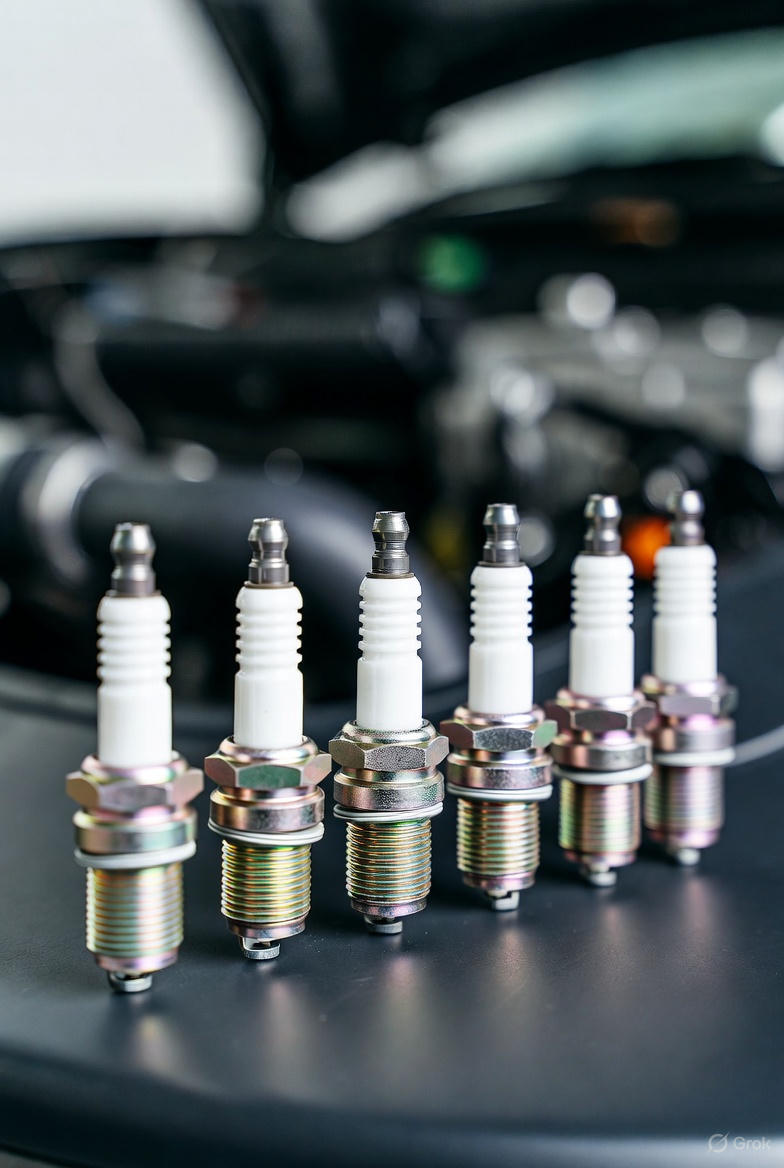
To address engine stalling or hesitation, common solutions include cleaning or replacing the fuel filter, spark plugs, or throttle body. However, a prompt diagnosis by a qualified mechanic is necessary.
Taking quick action not only helps prevent further damage but also ensures that you remain safe while driving, reinforcing your vehicle’s reliability.
Conclusion
Don’t ignore your car’s cries for help. If your check engine light won’t turn off, it’s signaling a problem.
Unusual noises from your engine could mean serious damage. Black, white, or blue smoke? That’s your exhaust telling you something’s wrong.
Notice a drop in fuel efficiency? Your engine’s efficiency is compromised. And if your car hesitates or stalls, it’s a clear sign of trouble.
Act swiftly, consult a mechanic, and guarantee your vehicle remains dependable and safe.