Power steering makes turning your car smooth and easy. When it works well, you hardly notice it.
But when there is a power steering fluid leak, steering can become hard, noisy, and even unsafe. Knowing the early symptoms of a power steering fluid leak can save you money and prevent bigger problems.
This guide explains the most common signs of power steering fluid leaks and how to fix them in a clear, simple way.
What Is Power Steering Fluid and Why It Matters
Power steering fluid is a hydraulic liquid that helps your steering system apply pressure. This pressure reduces the effort needed to turn the steering wheel. If the fluid level drops because of a leak, the system cannot build enough pressure, making steering difficult and damaging components over time.
Common Symptoms of Power Steering Fluid Leaks
1. Difficulty Turning the Steering Wheel
One of the earliest signs of a power steering fluid leak is stiff steering. You may notice that the steering wheel feels heavy, especially at low speeds or when parking.
Why it happens:
Low fluid levels reduce hydraulic pressure, so the system cannot assist your steering properly.
What to do:
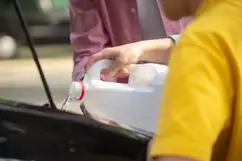
Check the power steering fluid reservoir. If it is low, refill it and inspect for leaks.
2. Whining or Squealing Noise When Turning
A high-pitched whining or squealing sound when you turn the wheel often points to a power steering problem.
Why it happens:
Air enters the system when fluid leaks out, causing the pump to make noise as it struggles to work.
What to do:
Top off the fluid and listen again. If the noise continues, the leak needs repair.
3. Power Steering Fluid Leaks Under the Car
Finding red, pink, or light brown fluid under the front of your car is a clear warning sign.
Why it happens:
Hoses, seals, or the steering rack may be cracked or worn.
What to do:
Place cardboard under the car overnight to locate the leak. A mechanic can confirm the exact source.
4. Low Power Steering Fluid Level
If you often need to refill the power steering fluid, there is almost always a leak.
Why it happens:
Power steering systems are sealed and should not lose fluid under normal conditions.
What to do:
Refill the fluid to the correct level and monitor it closely. Continuous fluid loss means a repair is needed.
5. Steering Wheel Jerks or Feels Unstable
You may feel the steering wheel jerk or hesitate while turning.
Why it happens:
Inconsistent pressure caused by low or leaking fluid affects steering response.
What to do:
Stop driving if the steering feels unsafe and inspect the system immediately.
6. Burning Smell After Driving
A burning smell near the engine can be linked to leaking power steering fluid.
Why it happens:
Leaking fluid may drip onto hot engine parts, causing it to burn.
What to do:
Check fluid levels and look for leaks near hoses and the power steering pump.
Common Causes of Power Steering Fluid Leaks
- Worn or cracked power steering hoses
- Loose hose connections
- Damaged power steering pump seals
- Failing steering rack or pinion seals
- Old or contaminated power steering fluid
Over time, heat and pressure weaken rubber components, making leaks more likely.
How to Fix Power Steering Fluid Leaks
1. Tighten Loose Connections
Sometimes the fix is simple. Loose hose clamps or fittings can cause slow leaks.
Fix:
Tighten connections carefully and clean the area to check if the leak stops.
2. Replace Damaged Hoses
Cracked or swollen hoses are a common cause of leaks.
Fix:
Replace the damaged hose with the correct type recommended for your vehicle.
3. Replace Power Steering Pump Seals
Leaking seals inside the pump can cause fluid loss.
Fix:
In some cases, seals can be replaced. If the pump is badly worn, full replacement may be needed.
4. Repair or Replace the Steering Rack
A leaking steering rack is a serious issue.
Fix:
This repair is more complex and usually requires a professional mechanic.
5. Flush and Refill the System
Old fluid can damage seals and hoses.
Fix:
A full power steering fluid flush removes contaminated fluid and extends system life.
Can You Drive With a Power Steering Fluid Leak?
Driving with a small leak for a short time may be possible, but it is risky. Continued driving can damage the power steering pump, increase repair costs, and make steering unsafe. If steering becomes very stiff or noisy, stop driving and fix the issue immediately.
How to Prevent Power Steering Fluid Leaks
- Check fluid levels regularly
- Use the correct power steering fluid type
- Avoid turning the wheel fully for long periods
- Inspect hoses during routine maintenance
- Fix small leaks before they get worse
Preventive care helps your steering system last longer and work smoothly.
Final Thoughts
Power steering fluid leaks often start small but can quickly turn into major problems. Symptoms like hard steering, strange noises, fluid puddles, and burning smells should never be ignored.
By recognizing the signs early and fixing leaks promptly, you protect your vehicle, save money, and ensure safe driving.
If you are unsure about the source of a leak, a professional inspection is always the safest choice.