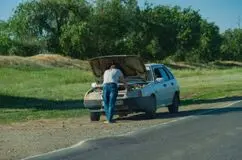
It is a cold morning. You start your car and suddenly hear a rough grinding sound. Maybe it lasts only a few seconds. Maybe it returns when you brake, turn, or begin driving.
Your first thought may be, why does my car make a grinding noise when it’s cold outside?
Cold weather can bring out noises that stay hidden during warmer months. Metal parts contract, rubber gets harder, fluids become thicker, and moisture can freeze or create surface rust.
The tricky part is finding the source. A starter, belt system, brake component, or wheel bearing can all make sounds that drivers describe as grinding.
The timing of the noise can give you the biggest clue.
1. Grinding Right When the Engine Starts: Check the Starter
Pay close attention to the first few seconds after you turn the key or press the start button.
If you hear a sharp grinding sound as the engine starts, the starter system may be involved.
The starter motor uses a small gear to engage with the engine’s flywheel or flexplate. Once the engine starts, that gear should move away.
A worn starter gear may not engage smoothly. It may also stay engaged for a moment too long.
Cold temperatures can make an already weak starter act worse. A weak battery can also reduce the speed at which the starter operates.
You may notice:
- Grinding only during startup
- Slow engine cranking
- Clicking before the engine starts
- A grinding sound that lasts one or two seconds
- More trouble on very cold mornings
Do not ignore repeated starter grinding. Damaged gear teeth can turn a smaller repair into a more expensive one.
2. A Belt or Pulley May Sound Rough When Cold
The belt itself does not usually create a true metal-on-metal grinding noise, but parts connected to the belt can.
Your engine may use a serpentine belt to run the alternator, water pump, air-conditioning compressor, and other accessories.
Several pulleys and bearings help that belt move smoothly.
Cold weather can make worn bearings, a weak tensioner, or a damaged pulley much noisier. The sound may be rough when you first start the engine and slowly fade as the parts warm up.
A worn belt is more likely to squeal or chirp. A failing pulley bearing can produce a deeper grinding or growling sound.
If the noise changes when engine speed rises, the belt drive system deserves a closer look.
3. Grinding During the First Few Stops: Look at the Brakes
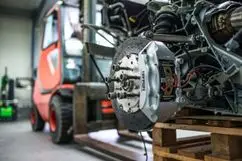
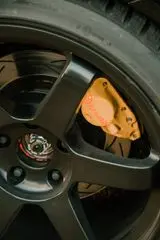
Brakes are another common source of cold-morning grinding.
Brake rotors are exposed to air and moisture. After your car sits overnight, especially in damp weather, a thin layer of surface rust can develop.
When you drive the next morning, the brake pads scrape across that layer.
You may hear light grinding during the first few stops. The sound often becomes quieter as the brake pads clean the rotor surfaces.
That is very different from grinding caused by worn brake pads.
If the friction material on a brake pad is badly worn, metal can contact the rotor. This may create loud grinding every time you press the brake pedal.
If the sound continues after several stops, do not blame the temperature. Have the brakes checked.
4. Frozen Moisture Can Create Temporary Brake Noise
Cold weather can create another brake issue.
Water, snow, or slush can collect around the brake parts. If temperatures fall below freezing while the car is parked, that moisture may freeze.
The next time you move the car, you might hear scraping or grinding as the wheels begin turning.
The sound may disappear quickly once the ice breaks away.
This is more common after driving through snow, washing the car in freezing weather, or parking outside after a wet drive.
A short-lived noise may simply come from frozen moisture. Grinding that continues during the entire trip needs more attention.
5. Grinding That Changes With Speed: Suspect a Wheel Bearing
A worn wheel bearing can produce a completely different type of noise.
Wheel bearings allow the wheels to rotate smoothly while supporting the vehicle’s weight. As a bearing wears, it can start making a humming, growling, or grinding sound.
Cold temperatures may make an existing bearing problem easier to hear.
Unlike brake grinding, bearing noise may continue even when you are not pressing the brake pedal.
Listen to how the sound reacts to speed.
Does it become louder as you drive faster? Does it change when you turn left or right?
Those are useful clues.
A badly worn wheel bearing can affect vehicle control and should not be left unchecked.
6. Use the Timing of the Grinding Noise as Your Clue
If you keep wondering, why does my car make a grinding noise when it’s cold outside, focus on exactly when the sound appears.
Grinding during startup points more toward the starter.
Noise from the engine area that changes with RPM may involve a pulley, tensioner, or accessory bearing.
Grinding during braking puts the brake system higher on the list.
A growling or grinding noise that follows road speed may point toward a wheel bearing.
This simple observation can save a lot of guessing.
7. When Should You Get the Car Checked?
A grinding noise is not something to ignore just because it happens in cold weather.
Some temporary sounds can come from light rotor rust, frozen moisture, or cold components. They should fade quickly.
Get the vehicle inspected if the grinding becomes louder, lasts after the car warms up, happens every time you brake, or comes with vibration, pulling, weak braking, steering problems, or trouble starting.
Final Thoughts
So, why does my car make a grinding noise when it’s cold outside?
The answer depends heavily on when you hear it. A starter may grind during startup. A worn pulley bearing may complain while the engine is cold. Brake rotors may scrape during the first few stops, while a damaged wheel bearing can grind as the car moves.
Cold weather does not always create the problem. In many cases, it simply makes an existing worn part easier to notice.
Listen carefully to when the grinding starts, how long it lasts, and what makes it change. Those clues can help you find the real cause before a small problem becomes a costly repair.