When you press your brake pedal and feel that something’s off—perhaps it’s stiffer than usual, or the car isn’t stopping as effectively as before—there may be an issue with your brake booster.
The brake booster plays a crucial role in ensuring you can apply enough force to your brakes with minimal effort, making it essential for the safety and efficiency of your vehicle.
In this post, we’ll take a closer look at the brake booster, its function, and the signs that could indicate it’s failing. By recognizing these symptoms early, you can prevent further damage and keep your vehicle safe on the road.
What is a Brake Booster?
Before diving into the signs of failure, let’s first understand what the brake booster is and how it works. The brake booster is a vacuum-powered device located between the brake pedal and the master cylinder. It helps increase the force applied to the brake pedal, making it easier for the driver to stop the car without using excessive leg strength.
The booster amplifies the force from your foot on the pedal, using vacuum pressure generated by the engine. If the brake booster fails, it can make stopping your vehicle much harder, especially during emergency braking situations. This can be dangerous, so it’s important to keep an eye on the health of this critical component.
Signs Your Brake Booster May Be Failing
Here are the most common symptoms of a failing brake booster:
1. Hard Brake Pedal
A common sign of a failing brake booster is when the brake pedal becomes harder to press. Normally, the booster helps reduce the effort needed to push the pedal, making braking easier. If you notice the pedal feels unusually stiff, especially when you’re attempting to stop, the booster may not be providing the assistance it should.
This is often due to a loss of vacuum pressure, which is needed for the booster to function properly. As the brake booster loses efficiency, it requires more physical force from your leg to engage the brakes, which can make driving much more difficult, especially in stop-and-go traffic or emergency situations.
2. Decreased Braking Power
If your car takes longer to stop than usual or doesn’t stop as smoothly, it could be a sign that the brake booster is losing its effectiveness. This could happen gradually, so you may not notice a major difference right away, but over time, you might find that your vehicle takes longer to come to a complete stop.
This is dangerous because it can impact your ability to react quickly to sudden stops or emergencies. If you notice this symptom, it’s important to address it immediately.
3. Increased Effort When Braking
Along with a stiff pedal, you might also notice that it takes more effort to stop your vehicle. This increased effort is a result of the brake booster failing to assist as effectively. When the booster is in good condition, you should be able to press the brake pedal with minimal effort, but if it’s failing, you may find yourself pressing the pedal harder than usual to get the car to stop.
If the pedal feels unusually hard or you feel like you’re straining your leg to stop the car, it’s likely that the brake booster is malfunctioning.
4. Hissing Noise When Pressing the Brake Pedal
Another common symptom of a failing brake booster is a hissing noise when you press the brake pedal. This sound occurs because of air escaping from the vacuum system, typically caused by a leak in the booster or its vacuum hose.
If you hear a hissing sound when applying pressure to the brake pedal, it’s a clear indication that there may be an issue with the brake booster’s vacuum system. A vacuum leak can compromise the booster’s ability to function, so it’s important to get it checked as soon as possible.
5. Engine Stalling or Rough Idle
Sometimes, a malfunctioning brake booster can cause problems with your engine’s performance. If the vacuum system is leaking or malfunctioning, it could interfere with the engine’s idle speed. As a result, you may notice that the engine stalls or runs roughly when idling.
This issue occurs because the brake booster shares vacuum pressure with the engine. When there’s a leak, the engine may not get the proper vacuum it needs to run smoothly, causing it to struggle and idle poorly.
6. Warning Light on the Dashboard
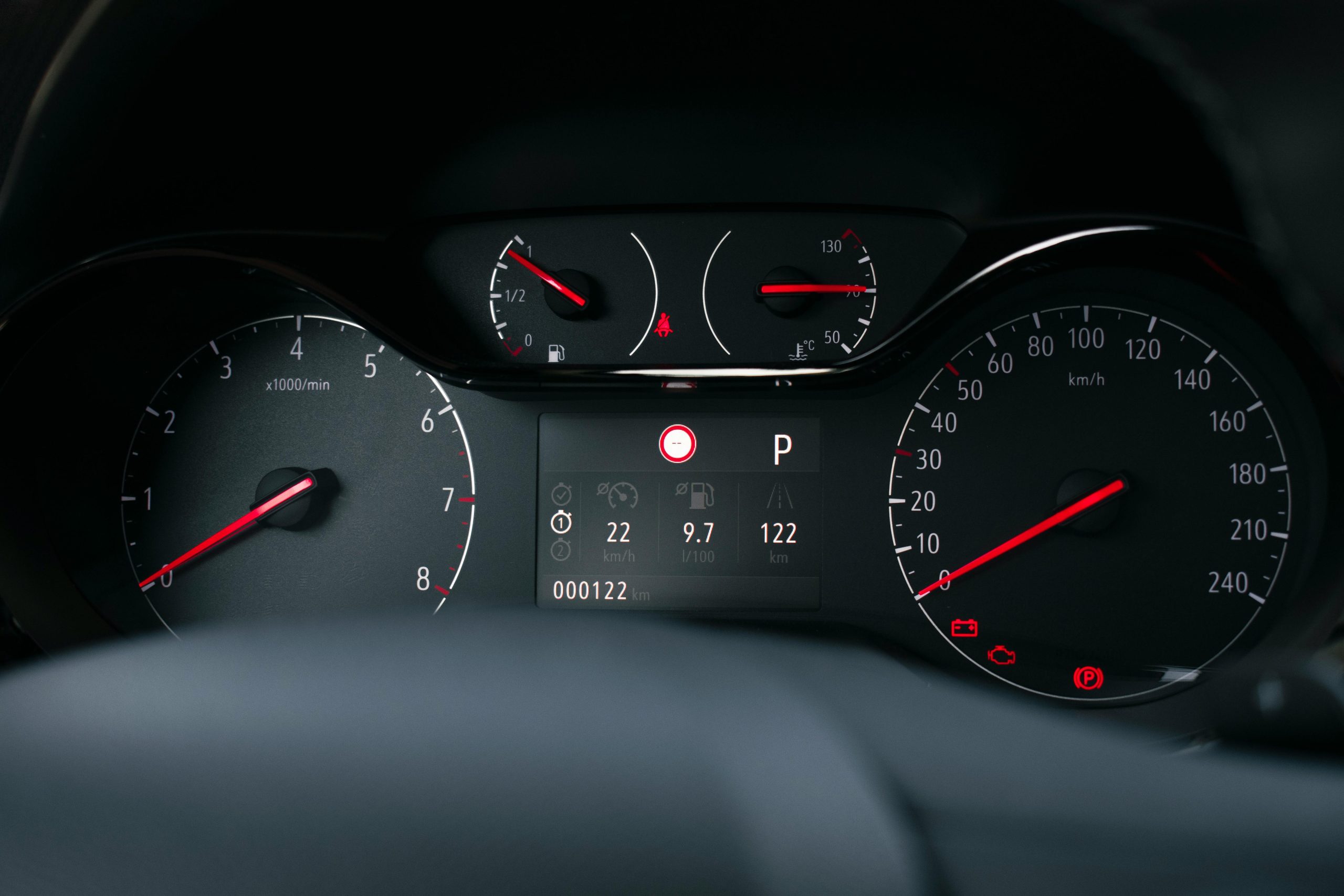
In some vehicles, the brake booster system may be equipped with sensors that can trigger a warning light on the dashboard if there’s a problem. While this isn’t always the case, if you see a brake-related warning light appear on your dashboard, it’s worth checking the brake booster, as it could be signaling a failure.
If the light comes on, it’s important to have your vehicle inspected by a mechanic to determine the root cause and prevent further issues.
How to Fix a Failing Brake Booster
If you suspect that your brake booster is failing, it’s best to have it inspected and repaired as soon as possible. A mechanic can test the brake booster for any leaks or damage and check the vacuum system for any issues.
In some cases, the brake booster may need to be replaced entirely. If you’re driving an older car or one with high mileage, it’s worth having the brake booster inspected regularly to prevent future issues. If there’s a vacuum leak, the affected hose or components may need to be replaced to restore proper function.
Final Thoughts
A failing brake booster can lead to dangerous driving conditions, making it harder to stop your vehicle and increasing the risk of an accident. If you notice any of the symptoms mentioned above, it’s important to take action immediately and have your vehicle inspected by a professional mechanic. Timely repairs can ensure that your vehicle remains safe to drive, preventing costly repairs down the road.
Remember, your brake system is one of the most critical components of your vehicle. Don’t take chances with your safety—if you suspect any issues with your brake booster, have it checked out right away.