A failing water pump in your car can lead to serious engine damage if not addressed in time. The water pump plays a crucial role in your vehicle’s cooling system, ensuring that coolant circulates through the engine to maintain an optimal temperature.
When it starts to fail, it can cause overheating and other serious issues. While some symptoms are obvious, others appear over time and might not be immediately noticeable.
Let’s look at some hidden signs that could indicate your water pump is failing.
1. Low Coolant Levels Despite Regular Refills
If you’re consistently having to top off your coolant, even after just a few weeks or months, this could be a sign of a leaking water pump. Over time, as the water pump wears out, it may develop small cracks or gaskets that leak coolant. This can go unnoticed until your engine starts to overheat or you see puddles of coolant under your car. Make sure to check your coolant levels regularly and keep an eye out for any strange coolant drops in the garage or parking lot.
2. Engine Overheating
An overheating engine is one of the more serious signs of a water pump failure. Since the water pump is responsible for circulating coolant to prevent the engine from getting too hot, if it’s failing, it might not circulate the coolant properly. This leads to engine temperature rising rapidly.
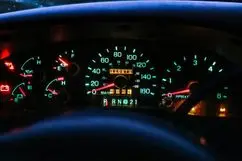
If your temperature gauge keeps creeping toward the “H” zone, it could mean the water pump isn’t doing its job properly. Overheating can cause major damage to your engine, so it’s important to act quickly if you notice this sign.
3. Unusual Noises from the Engine
A failing water pump can create strange noises, which might be hard to detect at first. You may hear a grinding or whining noise coming from the engine area, especially when the car is idling or at low speeds. These sounds often occur when the bearings in the water pump start to wear down.
While it might be easy to ignore these noises initially, they can become more frequent and loud over time, making it clear that something is wrong with the water pump.
4. Visible Coolant Leaks
One of the most obvious signs of a failing water pump is visible coolant leaks. If the seals or gaskets of the pump become worn out or cracked, coolant will begin to leak from the water pump. You may notice small puddles of green, orange, or pink fluid underneath your car when it’s parked.
While coolant leaks are easy to spot, the cause may not always be immediately obvious. Sometimes the leak is so small that it only becomes apparent after a long period. If you see coolant leaking near the front of the engine, it’s time to have the water pump checked.
5. Increased Engine Temperature During Idling
When the engine is idling, the water pump should continue to circulate coolant, maintaining a stable temperature. If your engine temperature rises significantly when idling, but drops when you accelerate, it could indicate that the water pump is failing. This is often a sign that the pump is struggling to circulate coolant properly and may need to be replaced soon.
6. Corroded or Rusted Water Pump Parts
Corrosion or rust can build up on your water pump over time, especially if the cooling system isn’t properly maintained. If you notice visible rust or corrosion around the pump, hoses, or other components, it could be a sign of a slow coolant leak. The buildup of rust can cause blockages in the system, making it harder for the pump to circulate coolant effectively.
7. Temperature Gauge Fluctuates
If the temperature gauge in your vehicle starts to fluctuate or behaves erratically, it could be an early warning sign of a failing water pump. The temperature gauge might show normal readings one moment, then spike quickly the next. This fluctuation indicates that the coolant is not circulating properly, which could be due to the water pump’s inefficiency.
8. Loss of Engine Power
In extreme cases, a failing water pump can affect the engine’s performance. Since the engine is overheating, the system might start to reduce the power to prevent further damage. If you notice a sudden decrease in engine power, especially during acceleration, it could be a result of the overheating caused by the water pump’s failure. This loss of power may be accompanied by other symptoms, like poor fuel efficiency or a rough idle.
9. Milky Fluid Under the Radiator Cap
If you find milky, whitish fluid under the radiator cap, it could be a sign of coolant mixing with oil due to a failing water pump. This can happen if the pump’s seals are broken and allow oil to leak into the coolant system. The milky fluid is an indication that something is wrong with the internal components of your engine, and it’s crucial to have it inspected as soon as possible.
Conclusion
The signs of a failing water pump often develop gradually, making them easy to overlook at first.
However, ignoring these symptoms can lead to severe engine damage, which can be costly to repair. If you notice any of the signs mentioned above, it’s important to get your vehicle checked by a mechanic.
Addressing the issue early can save you from more extensive repairs and keep your car running smoothly for years to come.