It’s a frustrating experience when you’re driving and your car feels sluggish or hesitant, especially when you’re trying to accelerate uphill.
Whether you’re heading out on a road trip or just climbing a steep hill in your neighborhood, your car should be able to handle the climb without issues. However, if it struggles to accelerate, it can be concerning.
This blog post will walk you through the common causes of sluggish acceleration and provide solutions to get your vehicle back to performing at its best when driving uphill.
Common Reasons Your Car Feels Sluggish Uphill
There are a few key reasons why your car might feel sluggish when accelerating uphill. Identifying the root cause is the first step to resolving the issue.
1. Clogged Air Filter
Your engine needs a constant flow of air to mix with fuel and generate power. If the air filter is clogged or dirty, the engine might not get enough air, resulting in poor performance. This is especially noticeable when you’re demanding more power, like when driving uphill.
Solution: Check the air filter and replace it if it’s dirty or clogged. It’s a simple and inexpensive fix that can improve engine efficiency.
2. Fuel System Problems
If your fuel injectors or fuel pump aren’t working properly, your engine might not be getting the fuel it needs, causing sluggishness when accelerating. This problem can be exacerbated when you need more power, such as when driving uphill.
Solution: Have your fuel system checked for any clogs or malfunctions. If the fuel injectors are dirty, a fuel injector cleaning service may help. If the fuel pump is faulty, it may need to be replaced.
3. Exhaust Blockages
A blocked exhaust system can prevent the engine from expelling exhaust gases, reducing its performance. When you’re driving uphill and need more power, the buildup of exhaust gases can restrict your car’s ability to accelerate.
Solution: Inspect the exhaust system for blockages. A clogged catalytic converter is a common culprit. If found, it should be replaced or repaired by a professional.
4. Transmission Issues
If your car’s transmission is slipping, it can cause delayed or sluggish acceleration, especially when going uphill. Transmission problems often result in the car not shifting into the correct gear at the right time, making it feel sluggish.
Solution: If you notice your car is struggling to shift gears or the RPMs are increasing without a corresponding increase in speed, have your transmission inspected. Transmission fluid might be low or dirty, and a flush may be needed. In more severe cases, transmission repair or replacement might be required.
5. Engine Misfires
An engine misfire occurs when one or more of the cylinders fail to fire correctly. This can cause the engine to lose power and feel sluggish. Misfires can be caused by faulty spark plugs, ignition coils, or other components of the ignition system.
Solution: Have your spark plugs and ignition coils checked. Replacing worn-out spark plugs or coils is a relatively easy fix that can improve engine performance.
6. Low Engine Compression
If your engine’s cylinders aren’t producing enough compression, it won’t be able to generate enough power to accelerate uphill effectively. This can be caused by worn piston rings, valves, or other internal engine components.
Solution: Engine compression issues are more complex and often require a professional mechanic to diagnose and repair. If you suspect low compression, get a compression test done on the engine.
7. Vacuum Leaks
Vacuum leaks can lead to an imbalance in the air-fuel mixture, causing the engine to perform poorly. This issue can be especially noticeable when climbing hills, as the engine requires more power.
Solution: Check for any vacuum leaks in the hoses and connections around the intake manifold. Repairing these leaks can restore your engine’s power and efficiency.
Preventative Measures for Better Performance Uphill
While these fixes can help get your car back to full performance, there are also preventative measures you can take to keep things running smoothly.
1. Regular Maintenance
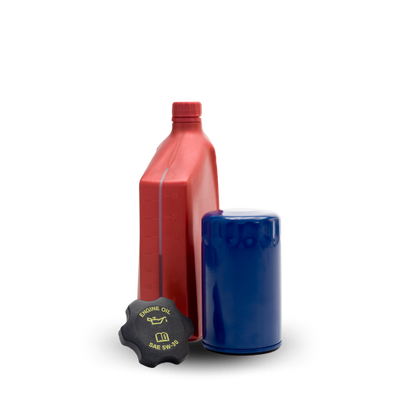
Routine maintenance, such as oil changes, air filter replacements, and fluid checks, can help prevent many of the issues that lead to sluggish acceleration. By keeping up with regular maintenance, your car will run more efficiently and be less likely to have problems when driving uphill.
2. Driving Habits
Your driving style can also affect your car’s performance. Avoid sudden accelerations and try to keep a steady pace when climbing hills. Sudden acceleration can put a strain on your car’s engine and cause it to feel sluggish.
3. Use the Right Fuel
Make sure you’re using the right type of fuel for your vehicle. Using low-quality or incorrect fuel can impact engine performance. If you drive an older vehicle, it may require a higher-octane fuel to perform optimally, especially when climbing hills.
4. Check Your Tires
Under-inflated tires can cause your car to feel sluggish, especially when driving uphill. Properly inflated tires ensure that your car is getting the right amount of grip and power transfer to the ground.
When to Seek Professional Help
If you’ve gone through these steps and your car is still struggling uphill, it may be time to visit a mechanic. Problems with the transmission, fuel system, or engine compression require professional expertise to fix.
An experienced mechanic can perform diagnostic tests and inspect all the major systems in your car to pinpoint the exact issue and recommend the best course of action.
Conclusion
Driving uphill shouldn’t be a hassle. If your car feels sluggish when accelerating uphill, there are several potential causes, ranging from simple issues like a clogged air filter to more complex problems like engine misfires or transmission issues.
By understanding these causes and performing regular maintenance, you can help your car perform better and avoid these frustrating problems.
If the issue persists, don’t hesitate to seek professional help to ensure your car stays in top shape for all your driving adventures.