As winter’s chill tightens its grip, your car’s morning starts can feel like a bear waking from hibernation: slow, reluctant, and sometimes unsuccessful. If you’re noticing your vehicle struggling to come to life on cold mornings, you’re not alone.
Key factors like the health of your battery, the viscosity of your engine oil, and the condition of your fuel system play critical roles in guaranteeing your car doesn’t falter when the temperature drops. What might seem like a minor nuisance can lead to larger issues down the road.
Wondering what steps you can take to make sure your car starts as reliably as the sunrise, even in the dead of winter? Let’s explore some essential tips and tricks that can keep your vehicle running smoothly, no matter how low the mercury dips.
Common Cold Start Issues
As temperatures drop, your car struggles to start when engine is cold. These challenges can lead to frustrating starting problems.
Diesel fuel may gel, further straining your car’s fuel system. Embracing preventative measures like using recommended oils and fuel additives guarantees you’re not left out in the cold.
Regular maintenance is your best defense against a frozen car.
Battery Performance in Cold
When temperatures drop, your car’s battery faces significant challenges. You’ll need to focus on strategies to enhance its lifespan and tackle the hurdles of cold weather.
Ensuring regular maintenance and understanding how the cold impacts battery efficiency are key to avoiding those dreaded cold start problems.
Enhancing Battery Lifespan
To boost your car battery’s lifespan in cold weather, keep it fully charged and replace it when necessary. Remember, low temperatures slow down the chemical processes in your battery, reducing its power output and performance.
You’re not alone in this; many face battery failure during cold snaps. Staying prepared guarantees your vehicle remains reliable, just like you rely on your community.
Cold Weather Challenges
Facing cold weather, your car’s battery may lose up to half its power at 0 degrees Fahrenheit. You’re not alone in this struggle; many face these cold weather challenges:
- Chemical processes slow down, weakening battery performance.
- Less power makes starting the engine tougher.
- Low temperatures increase the risk of a dead battery.
- Regular maintenance is essential to prevent unexpected issues.
Importance of Engine Oil
Understanding the role of engine oil is essential, especially in cold weather, as it greatly impacts your car’s startup performance.
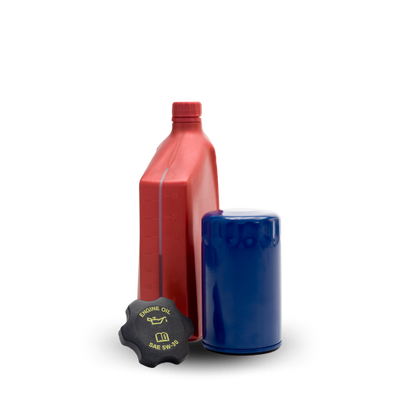
Thicker oil increases resistance in the starter motor. Using oil with the right viscosity rating, like SAE 5W-30, enhances lubrication.
In extreme cold, a self-stick warmer on the oil pan prevents oil from thickening, ensuring smoother engine function and securing your sense of reliability.
Alternator and Starter Tips
Checking your alternator and starter regularly can save you from unexpected breakdowns. If your battery fails quickly or your engine dies after a jump start, your alternator might be at fault.
Notice flickering lights or a burning smell? It’s time to consult a professional mechanic. Likewise, a clicking sound without engine turnover suggests a faulty starter motor, needing expert replacement.
Preventative Maintenance Steps
To minimize the risk of cold start issues, regularly schedule maintenance checks with your mechanic. Here are a few steps you can take to make sure your car’s ready for the chill:
- Check battery health regularly to avoid surprises.
- Use winter-grade oil since regular engine oil becomes thicker in cold.
- Keep the gas tank full to prevent fuel line freeze.
- Wrap your battery with a battery blanket for extra warmth.
Using Engine Block Heaters
While the steps above prepare your car for cold weather, installing an engine block heater offers additional protection and efficiency.
In extreme cold climates, plugging it into an electrical outlet warms the engine, ensuring smoother startups. You’ll experience improved fuel efficiency and reduced emissions. Plus, you’re part of a smart community preventing engine damage.
Engine block heaters really are your best friend against cold starts!
Solutions for Frozen Components
If you’re facing frozen components, applying heat with a hair dryer or using a de-icer can quickly thaw frozen door seals, allowing easier access to your vehicle.
- Address frozen fuel lines by removing water condensation with additives.
- Install warmers on oil pans to prevent motor oil thickening.
- Use engine heaters for carbureted vehicles to minimize icing issues.
- Always make sure your fuel is winter-grade to avoid cold weather complications.
Regular Winter Car Care
Regular winter car care is crucial for guaranteeing your vehicle performs at its best in cold conditions. Park in a heated garage to shield your engine from the cold.
Regularly check your battery cables and spark plugs for signs of corrosion. This maintenance helps prevent a car won’t start scenario, guarantees smooth cold-weather starting, and reduces jump starting needs during the winter months.
Conclusion
In the icy grips of winter, don’t let your car leave you out in the cold! Remember, regular check-ups and the right oil can work wonders.
Don’t forget, a strong battery and a clean fuel system are your best friends against the frosty fiend. Consider an engine block heater a knight in shining armor for those brutal mornings. With these tips, your car won’t just start; it’ll leap to life, ready to tackle the winter wasteland!