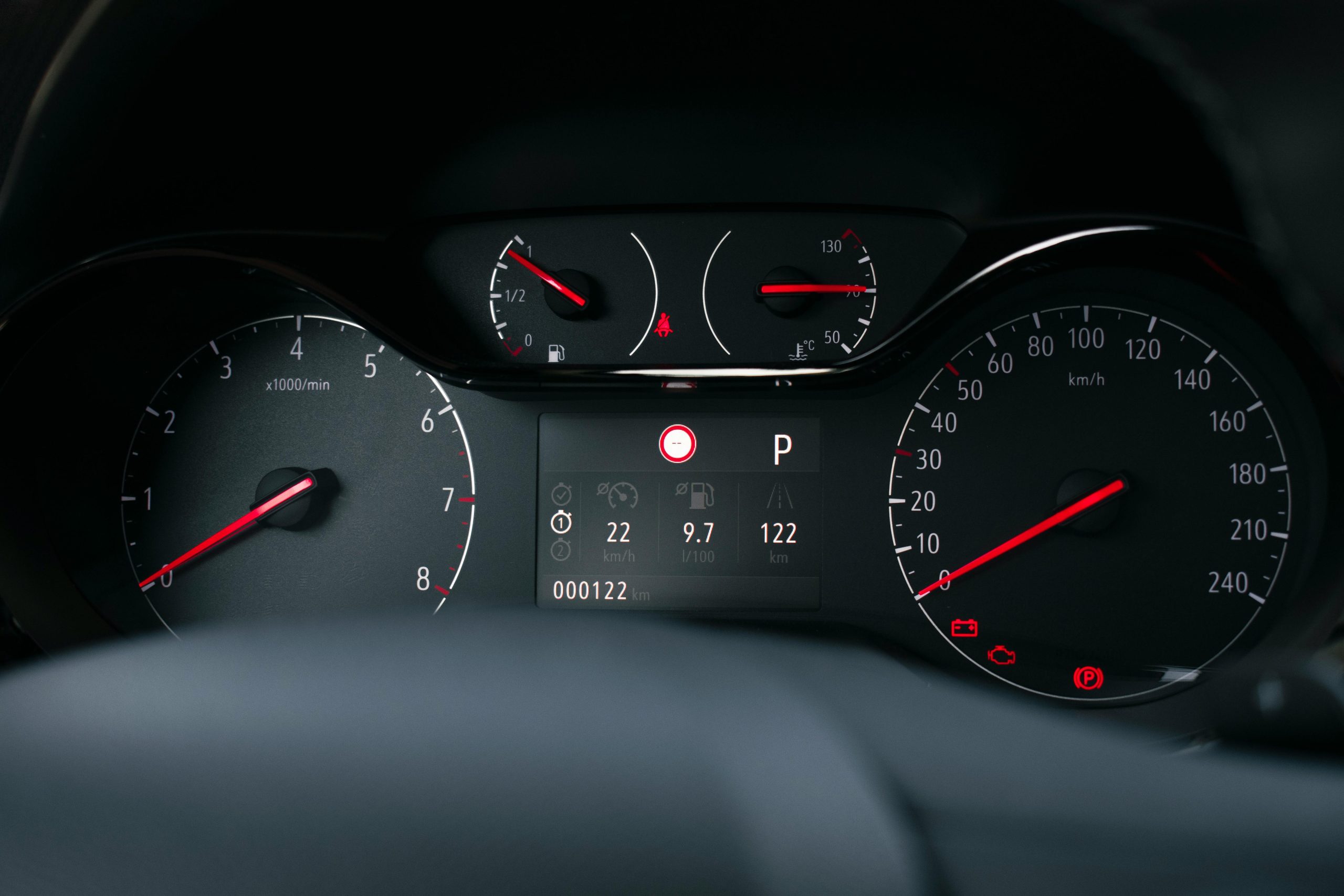

The VW EPC (Electronic Power Control) light coming on in your dashboard can be alarming, especially when it is accompanied by a noticeable loss of power in your vehicle. This warning light often signals that something is wrong with your vehicle’s engine management system, which could be caused by several different issues. In this blog post, we will guide you through the steps to diagnose the VW EPC light on loss of power before heading to the mechanic for repairs.
What Does the EPC Light Mean?
The EPC light is a warning from the car’s Electronic Control Unit (ECU), which controls key functions such as throttle, brake systems, and engine power. When the EPC light turns on, it typically indicates that there’s an issue with one of these components, or that the ECU itself is malfunctioning. This may result in a loss of power or poor engine performance.
Common Causes of EPC Light and Loss of Power
Several factors can trigger the EPC light and cause a noticeable loss of power. Here are some of the most common causes:
1. Throttle Body Issues
The throttle body controls the amount of air entering the engine. If there is a malfunction with the throttle body, such as a buildup of carbon or a faulty sensor, it can trigger the EPC light. The engine may struggle to accelerate, and you might experience a loss of power.
2. Faulty Sensors
The engine relies on sensors to monitor various systems such as air intake, exhaust, and fuel. A failure in one of these sensors—especially the throttle position sensor, mass airflow sensor, or crankshaft position sensor—can cause the EPC light to come on. This could also lead to a loss of power since the engine won’t be able to function properly without accurate data from these sensors.
3. Worn-out Spark Plugs
Faulty or worn-out spark plugs can also cause performance issues. They are responsible for igniting the air-fuel mixture inside the engine. When spark plugs don’t work properly, it can result in misfires, reduced power, and poor fuel efficiency, all of which could trigger the EPC light.
4. Electrical Problems
Sometimes the issue might not be with the engine components themselves but with the electrical system. Loose connections, corroded wires, or a faulty ECU can trigger the EPC light and cause a loss of power. These electrical problems can also affect the sensors and other components.
5. Problems with the Fuel System
The fuel system includes the fuel pump, fuel filter, and injectors. If any of these components malfunction, your engine may not receive the correct amount of fuel, resulting in reduced power and triggering the EPC light.
Diagnosing the EPC Light on Loss of Power
Before you take your car to a repair shop, it’s helpful to do some initial diagnostics to get a better understanding of the problem. Here are the steps you can follow:
Step 1: Check for Other Warning Lights
When the EPC light comes on, check to see if there are any other warning lights present, such as the check engine light or traction control warning. If you notice additional lights, it may point to a more serious underlying issue that requires immediate attention.
Step 2: Perform a Visual Inspection
Open the hood of your car and look for obvious signs of damage or wear. Check the throttle body, wires, and sensors for visible issues such as corrosion, cracks, or loose connections. Also, inspect the spark plugs to see if they need replacement.
Step 3: Scan for Error Codes
The most effective way to diagnose the cause of the EPC light is by scanning your car’s computer system for error codes. You can do this with an OBD-II scanner (On-Board Diagnostics). These scanners are available at most auto parts stores or can be purchased online. Once you scan for error codes, you will be able to identify the specific component or system that is malfunctioning.
Step 4: Check the Throttle Body
If the error codes point to a problem with the throttle body, inspect it for carbon buildup or damage. Cleaning or replacing the throttle body may resolve the issue and turn off the EPC light.
Step 5: Examine the Sensors
If the diagnostic scanner indicates a faulty sensor, you’ll need to test that sensor. You can use a multimeter to check if the sensor is working correctly. If it’s damaged, replacing it should fix the problem.
Step 6: Test the Fuel System
If you suspect that the fuel system might be the culprit, check the fuel pump’s pressure using a fuel pressure gauge. You should also inspect the fuel filter and fuel injectors for any clogs or malfunctions.
Step 7: Reset the EPC Light
Once you have identified and fixed the problem, you may need to reset the EPC light. This can often be done using the OBD-II scanner or by disconnecting the car battery for a few minutes. If the light doesn’t come back on, the issue may have been resolved.
When to Visit a Mechanic
If you’re unable to diagnose or fix the issue on your own, it’s time to take your car to a qualified mechanic. In some cases, the issue may be more complex, such as a malfunctioning ECU, which requires professional diagnosis and repair. A mechanic will have the tools and expertise to thoroughly check the engine, sensors, and electrical systems.
Conclusion
Diagnosing the VW EPC light on loss of power can be a straightforward process if you follow the right steps.
By performing a visual inspection, scanning for error codes, and checking key components like the throttle body, sensors, and fuel system, you can often identify and resolve the issue before heading to the repair shop.
However, if the problem persists or seems too complex to handle on your own, don’t hesitate to visit a mechanic for a more detailed diagnosis.