When you think about what keeps your car running, you probably imagine the engine or maybe the wheels. But there are two unsung heroes that play a major role in keeping everything working properly: the serpentine belt and the timing belt.
Even though they are both belts made of rubber, they have completely different jobs. And if either one fails, you could be looking at a car that won’t move—or worse, one with major engine damage.
In this guide, we’ll explain what each belt does, why they are important, how they differ, and what signs to look out for when they start to wear out.
What is a Serpentine Belt?
The serpentine belt gets its name because it winds through different parts of your engine like a snake. It is a long, continuous rubber belt with grooves on one side that help it grip pulleys connected to various engine parts.
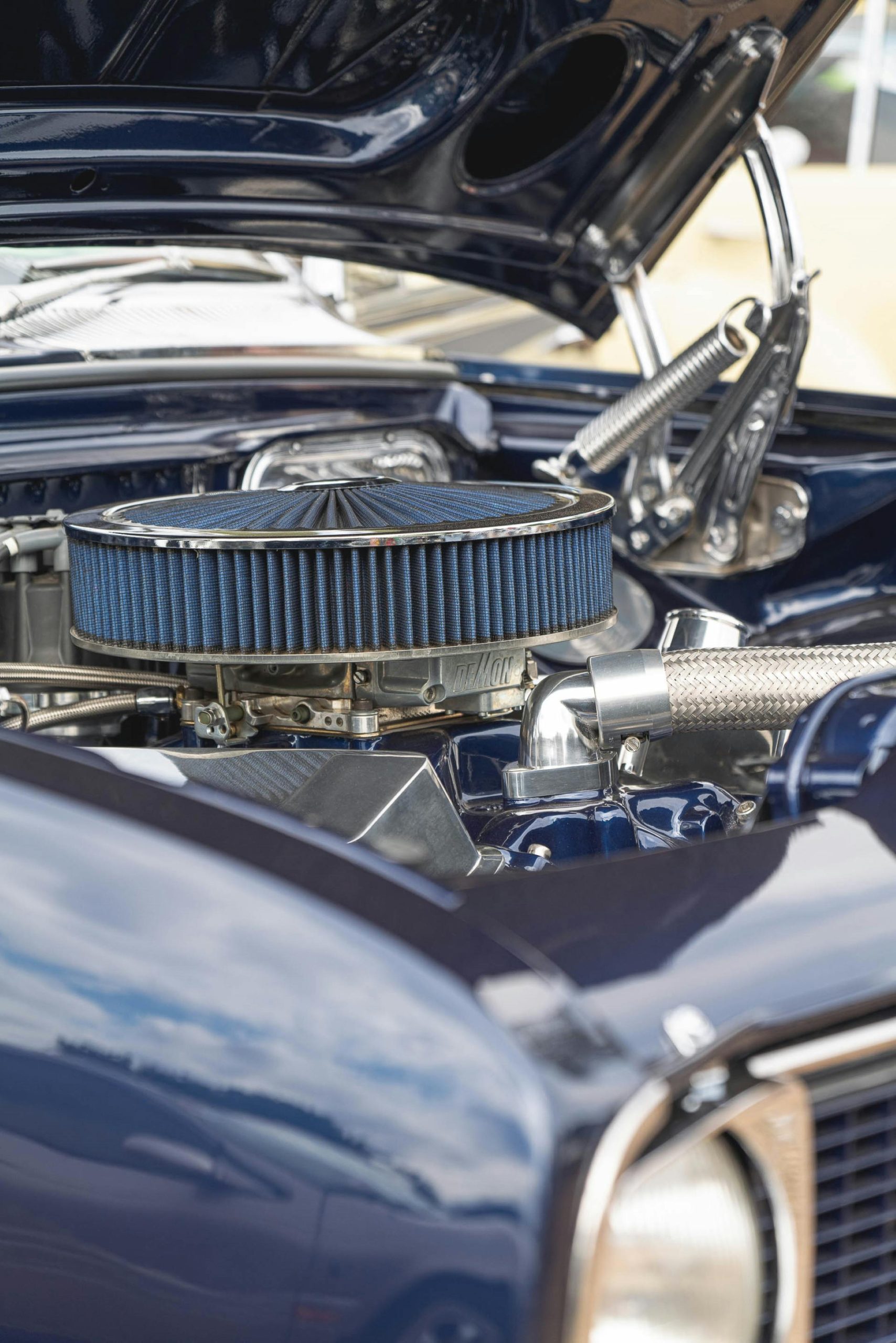
You can usually see the serpentine belt when you open the hood of your car. It loops around several parts and moves very fast while the engine is running.
Functions of the Serpentine Belt
The serpentine belt powers many of the accessories that make driving easier and more comfortable. Some of the major parts it operates include:
- Alternator: This charges your car battery while you drive and powers electrical systems.
- Power Steering Pump: This makes steering easier so you don’t have to struggle to turn the wheel.
- Air Conditioning Compressor: This helps cool down your car’s interior on hot days.
- Water Pump (sometimes): In some cars, the serpentine belt also helps the water pump circulate coolant to keep the engine from overheating.
Without the serpentine belt, none of these parts would work properly.
Why the Serpentine Belt is Important
Because it powers so many critical systems at once, the serpentine belt is extremely important. If it breaks, you could lose power steering, making it hard to steer safely.
Your battery could quickly die because the alternator wouldn’t be running, and your engine could overheat without the water pump.
In other words, a broken serpentine belt could leave you stranded on the side of the road—or worse, cause major damage to your car.
That’s why mechanics often check the belt during regular maintenance and recommend replacing it when it starts to look worn.
What is a Timing Belt?
The timing belt is not something you can see just by opening the hood. It’s hidden deep inside the engine, usually behind a protective cover. Despite being out of sight, it plays one of the most critical roles in your vehicle’s engine.
Functions of the Timing Belt
The timing belt’s main job is synchronization. It keeps the crankshaft (which controls the engine’s pistons) and the camshaft (which controls the engine’s valves) turning in perfect timing with each other.
- Pistons and valves must move in exact harmony. If they don’t, the pistons can hit the valves, causing catastrophic damage.
- Engine efficiency relies heavily on this timing. Correct timing means better performance, smoother rides, and good fuel economy.
Some engines use a timing chain instead of a belt, but the function is the same: keeping everything running in perfect rhythm.
Why the Timing Belt is Important
If the timing belt snaps while you are driving, it can lead to complete engine failure. In engines known as “interference engines,” broken timing belts can cause pistons to smash into valves, bending them, breaking pistons, or even cracking the engine block.
That’s why it’s absolutely critical to replace the timing belt based on mileage recommendations (usually every 60,000 to 100,000 miles) even if there are no obvious signs of wear.
Main Differences Between Serpentine Belt and Timing Belt
While both belts are critical, they are very different in location, function, and importance:
| Feature | Serpentine Belt | Timing Belt |
| Location | Outside the engine, visible | Inside the engine, hidden |
| Primary Function | Drives accessories like A/C, alternator, and power steering | Controls timing of engine valves and pistons |
| If it Breaks | Accessories stop working; car might still run briefly | Engine damage; car stops running immediately |
| Replacement Interval | 50,000 to 100,000 miles | 60,000 to 100,000 miles |
| Material | Ribbed rubber belt | Toothed rubber belt |
You can think of the serpentine belt like the car’s muscles that operate outside parts, and the timing belt like the heart’s pacemaker that controls vital inner movements.
Signs of Serpentine Belt Problems
Luckily, because the serpentine belt is outside the engine, it’s easier to spot problems early. Some common warning signs include:
- Squealing or chirping noise: Often heard when you start the car or turn on the air conditioner.
- Cracks or frays on the belt: These can be seen with a visual inspection.
- Loss of power steering: Steering becomes suddenly stiff and harder to control.
- Battery warning light: If the alternator isn’t charging properly, a dashboard light will often turn on.
If you see any of these symptoms, get your belt checked immediately. Catching a bad serpentine belt early can prevent bigger problems down the road.
Signs of Timing Belt Problems
Unlike the serpentine belt, the timing belt rarely shows outward signs of failure. It often fails without warning. However, if you notice any of the following, it might indicate timing belt trouble:
- Ticking noise from the engine: This can be a sign that the belt is wearing out.
- Rough idling or engine misfires: If the belt slips or stretches, the engine’s timing can be thrown off.
- Oil leaks: Oil leaking from the timing cover can cause the belt to degrade faster.
- Complete engine shutdown: If the belt breaks, the engine may stop immediately and refuse to restart.
Since the timing belt is so critical, it’s safest to follow your manufacturer’s recommended replacement schedule rather than waiting for signs of trouble.
Can a Car Have Both a Serpentine Belt and a Timing Belt?
Yes! In fact, most cars built today have both:
- The serpentine belt runs outside the engine to control accessories like your A/C and power steering.
- The timing belt runs inside the engine, keeping the pistons and valves moving in sync.
However, some newer vehicles use a timing chain instead of a timing belt. Timing chains last much longer and typically don’t require replacement unless they become noisy or worn.
It’s important to know which setup your car has, because maintenance requirements are different for belts and chains.
How to Care for Your Belts
Taking care of your belts is much cheaper than paying for repairs caused by belt failure. Here’s how you can extend their life:
- Inspect your serpentine belt regularly: Look for cracks, frays, or shiny spots.
- Follow your maintenance schedule: If your manual says replace the timing belt at 80,000 miles, do it! Don’t delay.
- Listen for unusual sounds: Squeals, ticks, or rough engine behavior are all red flags.
- Replace tensioners and pulleys: When replacing a belt, it’s often smart to replace the belt tensioner and pulleys too, because worn parts can cause new belts to fail early.
A little attention now can save you thousands of dollars in repairs later.
Final Thoughts
Even though they might seem like small pieces of rubber, the serpentine belt and timing belt are essential for keeping your car running safely and efficiently.
The serpentine belt powers your car’s accessories, while the timing belt keeps the engine’s vital parts working together in perfect harmony.
Ignoring these belts can lead to big problems, but regular checks and replacements can keep your vehicle reliable for years to come. So take care of your belts, and they’ll take care of you!