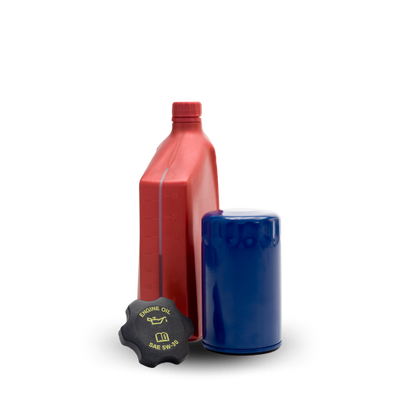
When it comes to vehicle maintenance, changing your oil is one of the most important tasks to keep your engine running smoothly.
But what happens when life gets busy, and you miss your scheduled oil change? Can you safely go a few extra miles over the recommended interval without harming your car?
Let’s dive into this topic and find out how far you can push your oil change without putting your vehicle at risk.
Understanding Oil Change Intervals
Oil change intervals are the suggested number of miles or months after which you should replace your car’s engine oil. These intervals depend on the type of oil, your vehicle’s age, and the manufacturer’s recommendations.
Most modern cars suggest oil changes every 5,000 to 7,500 miles if you’re using conventional oil. If you’re using synthetic oil, you might see intervals extended to 10,000 or even 15,000 miles.
It’s important to note that these numbers are guidelines. Your driving habits, environment, and the condition of your engine also play a big role.
Factors That Affect Oil Change Timing
1. Driving Conditions
- City Driving: Stop-and-go traffic, short trips, and idling put more strain on your engine and oil. If you mostly drive in urban areas, you may need to stick closer to the lower end of the interval.
- Highway Driving: Long-distance highway driving is easier on the engine, so extending the interval slightly may be safer.
2. Type of Oil
- Conventional Oil: Breaks down faster, especially under extreme conditions.
- Synthetic Oil: Designed to last longer and perform better under high temperatures and stress.
3. Your Vehicle’s Age
Older engines may burn oil or experience leaks, making it riskier to extend intervals. In contrast, newer engines with advanced technology can handle longer gaps between changes.
4. Driving Environment
- If you live in a dusty or humid area, dirt and moisture can contaminate the oil faster.
- Extreme cold or heat can also impact oil performance, requiring more frequent changes.
Can You Safely Go Over an Oil Change Interval?
The short answer is yes, you can go a bit over the recommended interval, but how far depends on several factors.
Here’s a closer look at how many miles you can push it:
1. Up to 500 Miles Over: Safe for Most Cars
- If your car is relatively new and you use synthetic oil, going 500 miles over your oil change interval is usually safe.
- However, monitor your oil levels and look out for warning signs like engine noise or reduced performance.
2. 1,000 to 1,500 Miles Over: Proceed with Caution
- While some vehicles can handle this, it’s not advisable unless you’re in a pinch.
- Check the oil’s color and consistency; dark or gritty oil means it’s time for a change immediately.
3. Beyond 2,000 Miles Over: Risky Territory
- Extending oil changes this far can lead to oil degradation, poor lubrication, and increased engine wear.
- Over time, this can result in costly repairs or even engine failure.
Risks of Skipping or Delaying Oil Changes
- Decreased Engine Efficiency
- Old oil loses its ability to lubricate and cool the engine, leading to reduced performance.
- Engine Wear and Tear
- Contaminants build up in the oil over time, causing friction and wear on engine components.
- Overheating
- Oil helps regulate engine temperature. As it breaks down, your engine is at a higher risk of overheating.
- Increased Repair Costs
- Neglecting oil changes can lead to expensive repairs like replacing engine components or even the entire engine.
Tips to Avoid Overextending Oil Change Intervals
1. Follow the Manufacturer’s Guidelines
Always refer to your owner’s manual for the recommended oil change interval specific to your car.
2. Use High-Quality Oil
Investing in synthetic oil can give you more flexibility if you occasionally miss an oil change.
3. Regularly Check Oil Levels
Monitor your oil level and appearance using the dipstick. If it’s low or looks dirty, it’s time for a change.
4. Stay on Schedule
Set reminders on your phone or use an app to track your oil change intervals.
5. Listen to Your Car
Pay attention to dashboard warnings and unusual noises. These can indicate that your oil is overdue for a change.
Conclusion
While you might be able to safely go a few hundred miles over your oil change interval, it’s best not to make it a habit.
Modern engines and oils are more forgiving than older models, but regular oil changes remain essential to your vehicle’s health.
Stick to your manufacturer’s recommendations whenever possible, and don’t push it too far. A little discipline now can save you from costly repairs down the road.
By staying informed and proactive, you can ensure your car runs smoothly for years to come. Remember, when in doubt, it’s better to err on the side of caution and change your oil sooner rather than later. Safe driving!