Have you ever walked up to your parked car and noticed a dark, greasy puddle underneath it? That’s usually a sign your car is leaking oil.
And while it might not look serious at first, it can become a big problem if you don’t fix it quickly.
Oil leaks can happen for many reasons—some small and easy to fix, others more serious.
This article explains the most common causes of oil leaks when your car is parked and what you should do about them.
Let’s take a closer look.
1. Worn Out or Damaged Oil Pan Gasket
The oil pan gasket is a soft rubber seal that sits between your engine and the oil pan. It helps keep oil from leaking out. Over time, this gasket wears down because of heat, age, and pressure.
Why It Leaks:
When the gasket gets old, it can crack or shrink. Once it starts leaking, oil drips out, especially when the engine cools down after being turned off.
What You’ll See:
You’ll find small to medium puddles of oil under the engine area. You may also smell burnt oil if it drips onto hot engine parts.
What to Do:
A mechanic can replace the gasket, which usually isn’t too expensive unless the leak has caused other damage. Catching it early will save you money and prevent further problems.
2. Loose or Missing Oil Drain Plug
The oil drain plug is a small bolt located on the oil pan. Mechanics remove it during oil changes to let old oil drain out. If this plug isn’t put back properly or the seal around it is missing, oil will leak.
Why It Leaks:
A plug that’s too loose, over-tightened, or missing its washer can allow oil to escape slowly over time.
What You’ll See:
You’ll spot a leak right after an oil change or see oil collecting near the drain plug area.
What to Do:
Check if the plug is secure and the washer is intact. If the threads are stripped, you may need a new plug—or in worst cases, a new oil pan.
3. Failing Valve Cover Gasket
The valve cover gasket sits on top of your engine, sealing the valve cover in place. It prevents oil from leaking out while your engine runs.
Why It Leaks:
High heat and pressure can wear out this gasket. When it cracks or breaks, oil leaks from the top of the engine and can trickle down.
What You’ll See:
You may see oil on the engine itself, down the sides, and eventually on the ground below.
What to Do:
Have a mechanic check it. Replacing the gasket is a common fix and can usually be done quickly.
4. Cracked or Damaged Oil Filter
Your oil filter keeps your engine’s oil clean by trapping dirt and metal shavings. But if the filter is damaged or wasn’t screwed in properly during an oil change, it could cause leaks.
Why It Leaks:
The rubber gasket might be missing or double-stacked. Or the filter may not be tightened enough.
What You’ll See:
You’ll find oil dripping right after a recent oil change, especially near the bottom of the engine.
What to Do:
Replace the oil filter and make sure the gasket from the old filter wasn’t left behind. Always follow the torque specs if doing it yourself.
5. Broken or Cracked Oil Pan
The oil pan holds most of your engine’s oil. It’s located on the bottom of the engine and is exposed to the road.
Why It Leaks:
Hitting a rock, curb, or debris can cause the pan to crack. A cracked oil pan leaks oil quickly and needs urgent attention.
What You’ll See:
Large puddles of oil form very quickly. Sometimes you’ll hear a loud “clunk” if you hit something.
What to Do:
Don’t drive the car. Have it towed and get the oil pan replaced right away.
6. Worn-Out Engine Seals
Your engine has several rubber seals to keep oil inside and prevent leaks. These include the crankshaft seal and camshaft seal.
Why It Leaks:
Like gaskets, seals get brittle and shrink with age. Heat and pressure also wear them down.
What You’ll See:
You may not notice a big puddle, but you might see spots on your driveway or oil collecting on the engine’s underside.
What to Do:
Replacing seals can be tricky and usually requires a mechanic. Don’t delay though—ignoring it may lead to major engine trouble.
7. Old or Thin Motor Oil
As oil ages, it becomes thin and dirty. Thin oil can more easily sneak past old gaskets and seals.
Why It Leaks:
Dirty oil doesn’t protect seals well. It can also break down rubber and cause early damage.
What You’ll See:
Slow leaks over time. Your oil level may drop even if you don’t see a large puddle.
What to Do:
Change your oil regularly. Use the correct oil type and don’t wait too long between changes.
8. Oil Filler Cap Isn’t Tightened
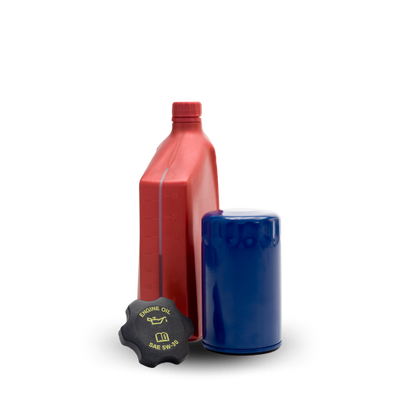
This is an easy one to miss. The oil filler cap is where new oil is added. If the cap is loose, cracked, or missing, oil can splash out while driving and drip down after parking.
Why It Leaks:
Pressure builds up during driving. A loose cap allows oil to escape and land on engine parts, then drip to the ground.
What You’ll See:
Oil on top of your engine or around the filler neck. You may also see smoke if the oil burns on hot parts.
What to Do:
Make sure the cap is secure and undamaged after every oil top-up or oil change.
9. Leaking Oil Cooler Lines
Some cars have an oil cooler that helps keep engine oil at the right temperature. This cooler is connected to the engine by hoses or metal lines.
Why It Leaks:
If the hoses crack or the metal lines rust, oil can leak out—sometimes fast.
What You’ll See:
You’ll notice a fast drip or even a large stream of oil under your car after parking.
What to Do:
This is a serious issue. Get it fixed immediately by a professional.
10. Mistakes During an Oil Change
Not all oil leaks are caused by worn-out parts. Sometimes, it’s just human error.
Why It Leaks:
If the old oil filter gasket is left behind, or the new filter is cross-threaded, it causes leaks. Even using the wrong size plug or too much oil can cause trouble.
What You’ll See:
Leaks right after a fresh oil change. You may also smell burning oil.
What to Do:
Double-check everything after an oil change. If you’re unsure, have a mechanic check the work.
Final Thoughts: Catch Small Leaks Before They Turn Big
Finding oil under your parked car doesn’t always mean disaster, but it does mean you need to act. Even small leaks can lead to bigger engine problems if ignored.
Quick Tips to Help You:
- Put cardboard under your car to track the leak.
- Check your oil level often.
- Keep records of your oil changes.
- Take your car to a mechanic if you can’t find the cause.
Keeping your car healthy starts with paying attention to signs like oil leaks. Catching them early can save your engine—and your wallet.